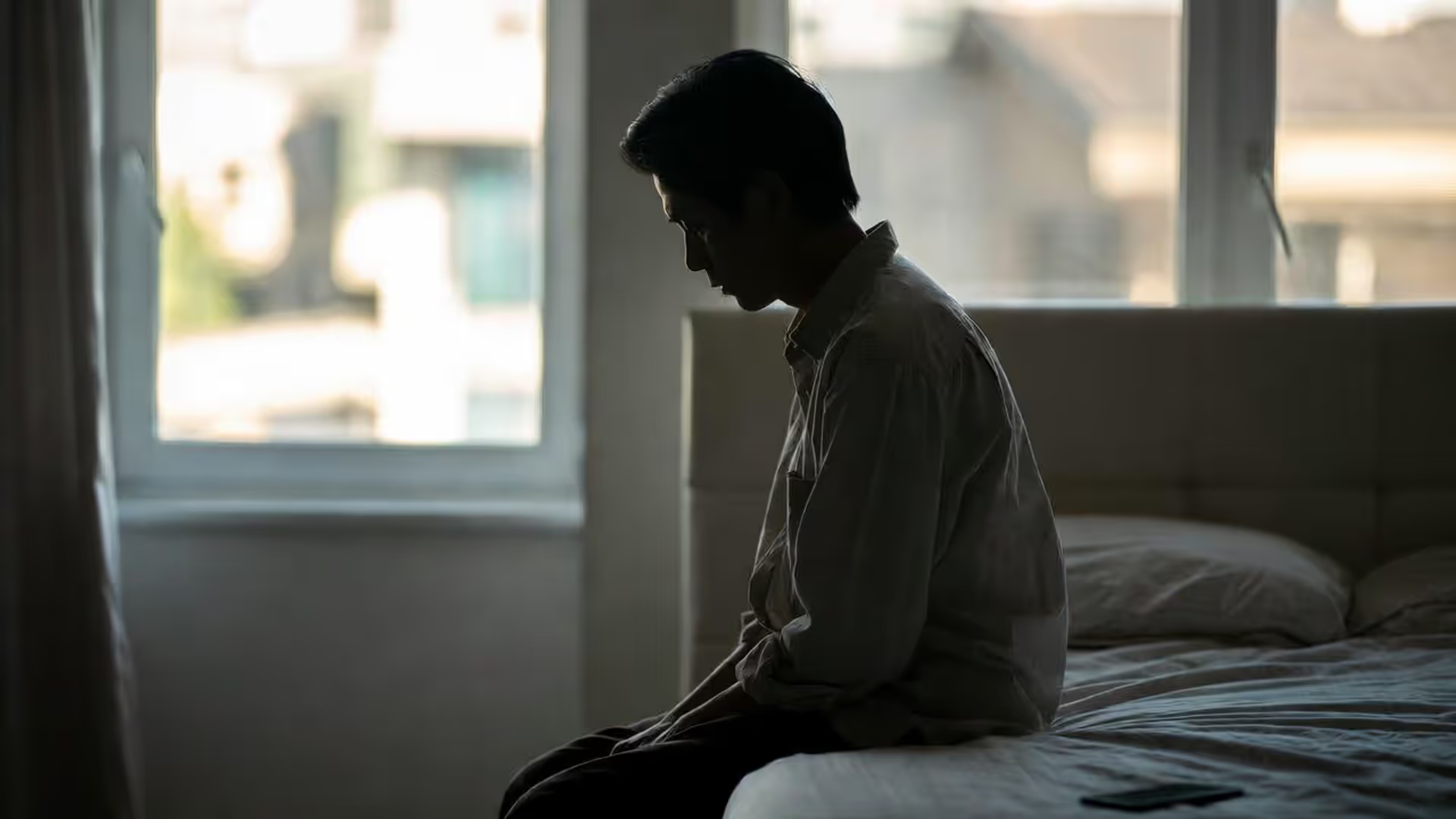
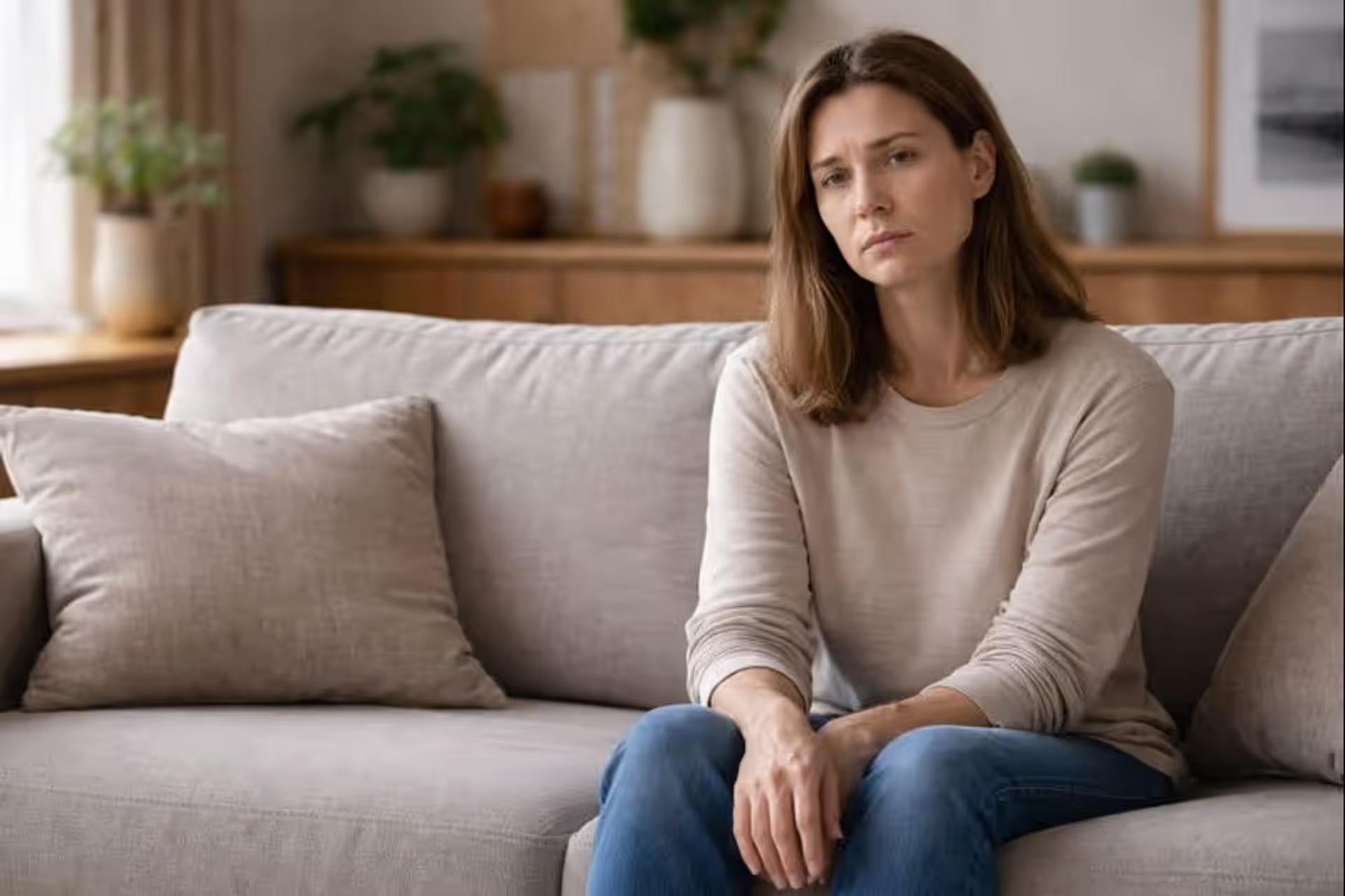

You've been feeling off for weeks now. Not dramatically — no breakdowns, no crises — just a persistent heaviness that won't lift. You go through the motions at work, smile when expected, say "I'm fine" on autopilot. But privately, you wonder: is this just sadness, or is something more happening?
This question haunts millions of women across America. The line between normal emotional pain and clinical depression isn't always obvious, especially when life genuinely gives you reasons to feel down. A difficult breakup, job loss, family conflict — these naturally produce sadness. But when does that sadness cross into territory that requires more than time and resilience?
Understanding the distinction matters enormously — not for the sake of labeling, but because each experience calls for a different response. Sadness needs acknowledgment and patience. Depression needs recognition and often professional support. Confusing the two can mean either unnecessary alarm or dangerous neglect.
This guide helps you see the difference clearly, recognize the unique ways this condition manifests in women, and determine when reaching out for help represents the wisest choice you can make.
Depression vs Sadness — What's the Difference?
Sadness belongs to the human experience. It arrives in response to loss, disappointment, rejection, or difficulty — and eventually, it passes. You feel the weight, process the emotion, and gradually return to your baseline. Life resumes its normal texture.
Depression operates on fundamentally different terms. It doesn't require proportionate cause, doesn't resolve through distraction or time alone, and doesn't confine itself to emotional pain. It alters how your brain processes reward, motivation, and energy — reshaping your entire experience of daily existence.
The practical differences become clearer when examined side by side:
| Feature | Normal Sadness | Clinical Depression |
| Duration | Days to a couple of weeks | Two weeks or longer, often months |
| Triggers | Usually identifiable life events | May appear without clear cause |
| Daily functioning | Temporarily diminished but recoverable | Significantly and persistently impaired |
| Physical symptoms | Minimal or brief | Fatigue, sleep changes, appetite shifts, body pain |
| Pleasure capacity | Returns between episodes of sadness | Persistently absent or severely diminished |
| Self-worth | May temporarily dip | Pervasive feelings of worthlessness or guilt |
| Response to positive events | Mood lifts, even temporarily | Little or no emotional response |
The most telling distinction? Sadness coexists with moments of lightness — you can still laugh at something funny, enjoy a meal, or feel comforted by a friend's presence. Depression tends to flatten everything, creating a gray uniformity where neither joy nor deep sorrow penetrates fully. Many describe this as feeling nothing rather than feeling sad.

Author: Benjamin Carter;
Source: ameliaearhartbook.net
What Does Depression Feel Like?
Describing this internal landscape proves difficult because it differs so profoundly from ordinary unhappiness. Several common experiences help illustrate:
The invisible weight. Imagine waking up every morning feeling as though someone placed a heavy blanket over your entire being — not just your body, but your thoughts, your motivation, your capacity for caring. Getting out of bed requires the kind of effort that used to be reserved for major challenges.
Emotional disconnection. Your daughter tells you something exciting about school. You know you should feel happy. You see her expectant face. But the emotion simply doesn't arrive. You perform enthusiasm while feeling hollow inside — and then guilt compounds the emptiness.
The fog. Concentration dissolves. Reading a paragraph requires three attempts. Decisions that once seemed automatic — what to cook, which email to answer first — become overwhelming puzzles. Your mind feels like it's operating through thick static.
Pleasure vanishing. Activities that previously defined your identity — exercise, cooking, socializing, creative pursuits — lose their appeal entirely. Not because something better replaced them, but because the internal reward system that made them enjoyable has gone silent.
Sadness is a natural emotion; depression affects how the brain regulates mood, energy, and motivation. When someone can no longer access pleasure or feels persistently empty regardless of circumstances, that distinction becomes critically important to recognize.
— Licensed Clinical Psychologist
The exhaustion paradox. You slept nine hours yet feel more drained than before. Physical fatigue accompanies you constantly, yet it doesn't respond to rest. This isn't tiredness — it's a systemic energy depletion that no amount of sleep resolves.

Author: Benjamin Carter;
Source: ameliaearhartbook.net
These experiences don't always appear simultaneously. Some women primarily notice physical symptoms. Others first recognize emotional numbness. The presentation varies, but the underlying pattern — persistent, pervasive, and resistant to typical coping — remains consistent.
Signs and Symptoms of Depression in Women
While this condition affects all genders, women experience it at approximately twice the rate of men. The manifestation often carries distinct characteristics shaped by hormonal biology, social roles, and cultural expectations.

Author: Benjamin Carter;
Source: ameliaearhartbook.net
Emotional and Mental Symptoms
- Persistent sadness, emptiness, or a sense of emotional deadness that doesn't correspond to circumstances
- Overwhelming guilt — feeling responsible for things beyond your control or disproportionately blaming yourself for minor shortcomings
- Pervasive worthlessness — the deep conviction that you lack value as a partner, mother, friend, or professional
- Heightened irritability and frustration — snapping at children, partners, or colleagues over minor triggers
- Anxiety that coexists with low mood — a restless, worried energy layered over emotional exhaustion
- Difficulty making decisions, from major life choices to everyday selections
- Loss of interest in relationships, intimacy, hobbies, or self-care routines
- Rumination — replaying past failures or anticipated problems on an endless mental loop
- Crying episodes that arrive without obvious triggers or alternatively, feeling unable to cry despite profound inner pain
Physical Symptoms in Women
- Crushing fatigue unrelieved by adequate sleep
- Sleep disturbances — insomnia, early morning waking, or hypersomnia without feeling refreshed
- Appetite changes — significant decrease or increase, often accompanied by unintended weight shifts
- Persistent headaches or migraines that resist standard treatment
- Muscle tension, back pain, or generalized body aches without identifiable physical origin
- Digestive problems — nausea, bloating, or irritable bowel symptoms
- Diminished libido or discomfort with physical intimacy
- Weakened immune response — catching colds and infections more frequently
Women frequently attribute these physical symptoms to being "busy," "stressed," or "just tired" — normalizing experiences that actually signal something requiring attention. This tendency toward self-dismissal delays recognition and prolongs suffering unnecessarily.
Why Am I Depressed? Common Causes in Women
Understanding origins helps reduce self-blame and reveals that this condition emerges from factors largely beyond conscious control.
Hormonal Causes of Depression
Female biology creates unique vulnerability windows through hormonal fluctuations that directly influence brain chemistry and emotional regulation.
Menstrual cycle influences affect mood through monthly shifts in estrogen and progesterone. While most women experience some premenstrual mood changes, a subset develops premenstrual dysphoric disorder (PMDD) — a condition severe enough to significantly impair daily functioning.
Pregnancy and postpartum periods represent profound hormonal upheaval. Estrogen and progesterone levels surge during pregnancy, then plummet dramatically after delivery. This biochemical crash, combined with sleep deprivation and the overwhelming demands of newborn care, creates conditions particularly favorable to mood disruption.
Hormonal changes can intensify depressive symptoms in women, especially during major life transitions. The interaction between shifting hormones and existing stressors creates a compounding effect that many women aren't prepared to recognize as depression.
— Women's Mental Health Specialist
Perimenopause and menopause bring fluctuating and eventually declining estrogen levels that directly impact serotonin production and mood stability. Many women experience their first depressive episode during this transition, often dismissing symptoms as "just menopause" rather than recognizing a treatable condition.
Emotional and Life-Stage Factors
- Caregiving burden: Women disproportionately shoulder caregiving responsibilities — for children, aging parents, or both simultaneously. This relentless demand depletes emotional reserves without adequate opportunity for restoration
- Relationship strain: Unhealthy relationship dynamics, emotional neglect, or domestic conflict create chronic stress that progressively erodes mood resilience
- Role overload: Juggling professional demands, parenting, household management, and social obligations while maintaining the appearance of effortless competence generates unsustainable internal pressure
- Trauma history: Past adverse experiences — particularly childhood abuse, sexual assault, or domestic violence — substantially increase lifetime vulnerability
- Social comparison and perfectionism: Cultural messaging about what women "should" accomplish and how they "should" look fuels persistent feelings of inadequacy
Postpartum Depression — When Sadness Is More Than "Baby Blues"
Up to four out of five women who give birth go through a brief emotional turbulence commonly called the "baby blues" — tearfulness, rapid mood shifts, and feeling overwhelmed in the first couple of weeks following delivery. This reaction stems from the body's natural hormonal recalibration and generally subsides on its own without intervention.
Postpartum depression tells a different story entirely. Rather than easing as days pass, it deepens. The emotional struggle stretches well past that initial two-week window, growing more disruptive over time and steadily undermining your ability to look after yourself or form a connection with your newborn.
Red flags that suggest something beyond the blues:
- Unrelenting low mood, inner vacancy, or emotional flatness that continues long after the expected adjustment period
- Struggling to feel attached to your infant or experiencing a strange sense of distance from motherhood itself
- Constant, crushing self-doubt about whether you're equipped to raise this child
- Pulling away from your partner, close relatives, or social circle
- Disturbing, unwanted mental images involving your baby being harmed
- Sleep problems far exceeding what nighttime feedings and infant care would explain
- Vanishing appetite or abandoning even basic personal hygiene and grooming
- Thoughts about ending your own life or the recurring belief that everyone around you would fare better without you
If any of this mirrors what you're living through, hear this clearly: none of it makes you weak, inadequate, or blameworthy. What's happening reflects a biochemical disruption in your brain — one that responds to proper care. Choosing to ask for support is among the bravest, most compassionate acts you can offer yourself and your child alike.

Author: Benjamin Carter;
Source: ameliaearhartbook.net
How to Know If You Have Depression
Figuring out where you stand starts with taking an unflinching look at how you've genuinely been feeling over the last fourteen days or more. Ask yourself these questions honestly:
- Does a heavy sadness, emotional blankness, or numbness shadow most of your waking hours, day after day?
- Have hobbies, passions, or social activities you once looked forward to completely lost their draw?
- Has the way you sleep shifted dramatically — either lying awake for hours or spending far too long in bed without feeling rested?
- Does bone-deep tiredness follow you around regardless of how much rest you get?
- Have your eating habits noticeably changed, or has your weight shifted without any intentional effort?
- Is staying focused, recalling details, or choosing between even simple options becoming a daily battle?
- Do thoughts centered on being worthless or excessively at fault consume your mental space?
- Have you quietly stepped back from friendships, family gatherings, or communal activities that once mattered to you?
- Are ongoing bodily complaints — recurring headaches, unexplained soreness, stomach troubles — present without a clear medical cause?
- Have ideas about hurting yourself or wishing you weren't here entered your thinking?
Should multiple items on this list feel familiar — especially if they've stretched across two weeks or longer and are chipping away at your ability to handle everyday responsibilities — what you're going through very likely surpasses run-of-the-mill sadness.
No set of self-reflection questions can substitute for a clinical assessment by a trained professional. Still, identifying these recurring threads gives you the grounding and confidence to move toward your next step rather than remaining stuck in a cycle of doubt.
When Sadness Becomes Depression
Certain warning signs indicate that what began as normal sadness has evolved into something requiring professional attention:
- Duration extending beyond two weeks without meaningful improvement suggests your brain's mood regulation systems need support beyond what time alone provides.
- Progressive functional decline — deteriorating work performance, neglecting self-care, abandoning responsibilities, withdrawing from relationships — indicates depleting internal reserves.
- Physical symptoms accumulating without medical explanation point toward mood-related origins that deserve clinical exploration.
- Loss of future orientation — inability to imagine feeling better, plan ahead, or anticipate anything with hope — represents a hallmark shift from sadness to clinical territory.
- Increasing reliance on numbing behaviors — alcohol, excessive sleeping, compulsive scrolling, overeating — suggests unconscious attempts to manage pain that exceeds your current coping capacity.
Any thoughts of self-harm or suicide warrant immediate response. Contact the 988 Suicide and Crisis Lifeline by calling or texting 988. Trained counselors stand ready around the clock.
The transition from sadness to depression doesn't always arrive dramatically. More often, it creeps — gradually enough that you adjust to each incremental worsening without recognizing how far you've drifted from your baseline. This is precisely why pausing for honest self-assessment matters so deeply.
Expert Insights
Mental health professionals emphasize key distinctions that help guide recognition and response.
A licensed clinical psychologist notes that sadness operates as a natural emotional signal with adaptive purpose, while depression involves measurable disruption in how the brain manages energy, motivation, and reward processing. Understanding this neurological dimension helps reduce the self-blame that delays so many women from pursuing care.
A women's mental health specialist highlights that hormonal transitions create genuine biochemical vulnerability — not emotional weakness. Recognizing that major life stages carry inherent risk for mood disruption allows women to monitor their well-being proactively rather than dismissing concerning changes as personal shortcomings.
Frequently Asked Questions
If you've arrived at this article wondering whether what you're experiencing is "just sadness" or something more, that very question deserves respect. The willingness to look honestly at your emotional landscape represents awareness, not weakness.
Sadness and depression occupy different territories, even when they overlap at the borders. Sadness visits and eventually departs. Depression settles in, changes the furniture, and refuses to leave without deliberate intervention. Knowing which one you're hosting makes all the difference in choosing your response.
For women especially, the interplay of hormonal biology, societal expectations, caregiving demands, and deeply ingrained tendencies toward self-sacrifice creates fertile ground for this condition to take root unrecognized. You deserve better than endlessly powering through while something treatable quietly erodes your quality of life.
If the patterns described here resonated with your experience — if mornings feel consistently heavy, if pleasure has quietly disappeared, if you're performing functionality while feeling hollow underneath — please consider reaching out. To a physician, a therapist, a crisis line, or even a trusted friend who can accompany you toward support.
You are not being dramatic. You are not burdening anyone. You are recognizing something real and responding with the courage it deserves.
The version of you that felt lighter, more present, more capable of joy — she hasn't vanished. She's waiting for the support that allows her return. And that support is available, effective, and absolutely worth pursuing.