
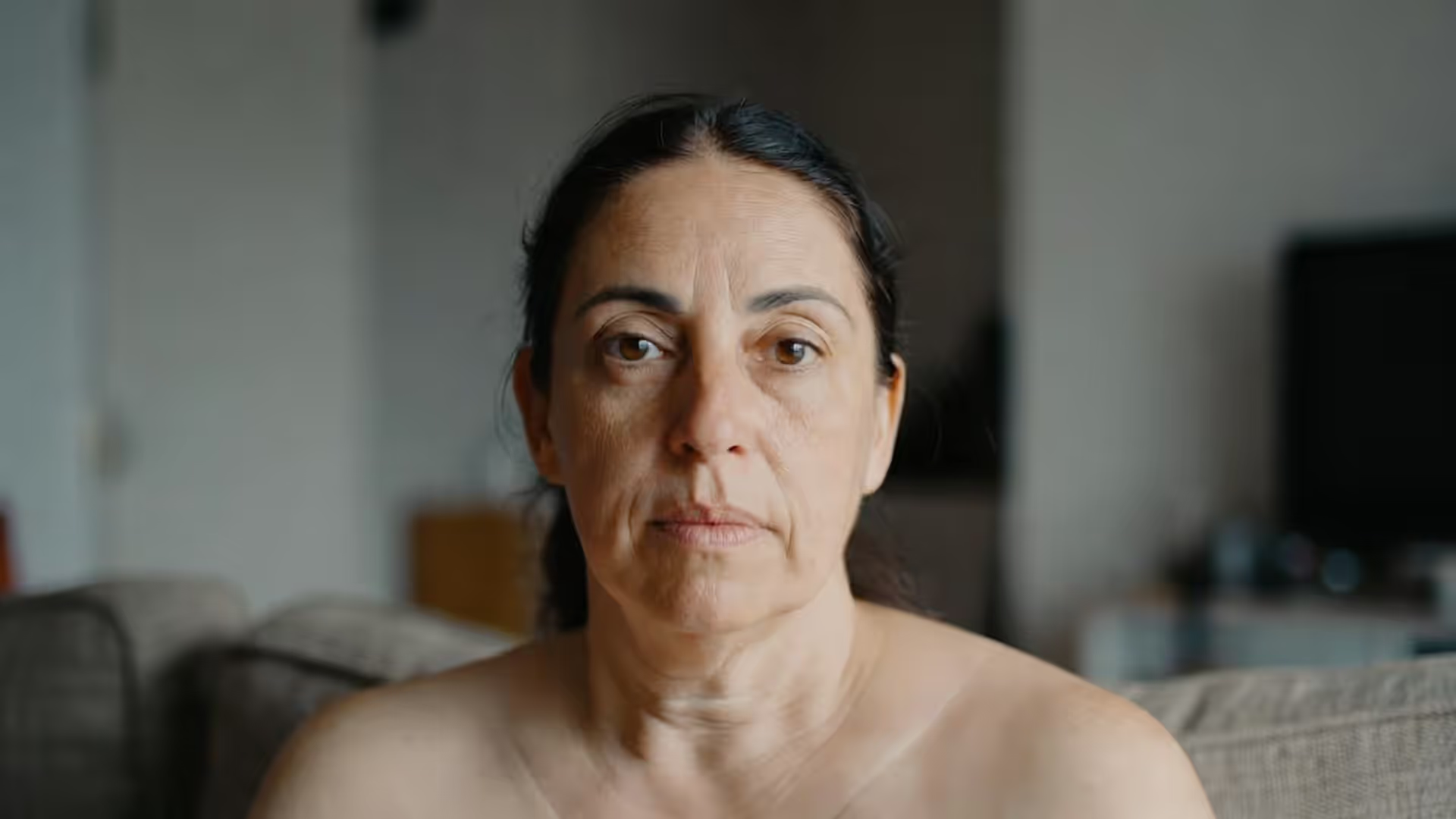
Postpartum Depression Guide for New Mothers
Postpartum Depression Guide for New Mothers

Content
This wasn't how you pictured it. The crib is assembled, your little one has arrived, and everyone expects you to be glowing with joy. But instead, you feel empty. Drowning. Oddly disconnected from the small human you spent months preparing to welcome. You put on the expected smile, make pleasant conversation, share the snapshots — yet underneath all of it, something feels profoundly, unmistakably off.
If that resonates, what you're going through isn't a character defect. You may be dealing with a condition that's far more widespread, far more nuanced, and far more responsive to care than the majority of new mothers have been told.
The expectation that bliss should come effortlessly after having a baby ranks among the most harmful cultural narratives around becoming a parent. It keeps struggling women silent, pushes them away from getting help sooner, and turns a legitimate health issue into a reason for self-blame. None of that benefits you or your child.
What follows is a guide built on honesty rather than judgment — covering what this condition truly entails, how it differs from the normal emotional upheaval of early parenthood, where it comes from, and how to recognize the moment when seeking support becomes the single most valuable step available to you.
What Is Postpartum Depression? (PPD Meaning Explained)
Postnatal depression — also known by its abbreviation PPD — is a mood disorder that emerges in the wake of giving birth. It reaches far beyond the short-lived emotional upheaval that accompanies early parenthood, constituting a clinical condition marked by lasting shifts in mood, energy levels, thought patterns, and daily behavior.
The defining line rests on intensity and persistence. Adapting to life alongside a newborn inevitably brings fatigue, emotional rawness, and stretches of feeling in over your head. Those reactions fit the situation and fade with time. PPD follows a different trajectory — it digs in instead of moving on, grows heavier instead of gradually lifting, and steadily chips away at your capacity to manage daily life and bond with your infant.
The onset varies widely. Some women notice it surfacing within weeks of delivery; for others, it builds so slowly that months pass before the pattern becomes unmistakable. It strikes mothers navigating their first birth and those who've done this before. An uncomplicated pregnancy, a devoted partner, or a perfectly healthy newborn offers no guaranteed protection — because this condition is driven primarily by biological and neurochemical shifts, not by life circumstances or personal resolve.
At its essence, understanding what PPD means comes down to this: it's a medical reality, not a measure of your mothering. It reveals nothing about how deeply you love your baby, how competent you are as a parent, or how much you matter as a human being.

Author: Daniel Rowland;
Source: ameliaearhartbook.net
How Common Is Postpartum Depression?
Far more common than most people assume. Research indicates that roughly one in seven women develops postpartum depression following childbirth — and many experts believe the actual numbers run higher due to significant underreporting.
Why do so many cases go unrecognized? Stigma plays the primary role. New mothers fear judgment — from partners, family, healthcare providers, and themselves. Admitting that motherhood feels devastating rather than blissful requires courage that exhaustion and depression actively undermine.
Cultural expectations compound the silence. Social media curates an illusion of serene, joyful new parenthood that bears little resemblance to most women's actual experience. When your reality doesn't match that carefully edited version, the conclusion feels personal rather than systemic.
Postpartum depression is not a personal failure — it is a medical condition influenced by biological and emotional changes. The number of women affected is far greater than public awareness suggests, and normalizing this conversation is essential for earlier intervention.
— Licensed Clinical Psychologist
Additionally, symptoms frequently overlap with what everyone expects new motherhood to look like — tiredness, emotional fluctuation, feeling overwhelmed. This camouflage makes it easy to dismiss clinical depression as "just the adjustment" and delay seeking help far longer than necessary.
If you're experiencing this, you stand in vast company. Millions of women have navigated this same terrain and emerged with effective support. You are neither alone nor unusual.
Signs and Symptoms of Postpartum Depression
Recognizing what's happening represents the essential first step. PPD manifests across emotional, mental, physical, and behavioral domains — and the combination often looks different from what people expect depression to resemble.

Author: Daniel Rowland;
Source: ameliaearhartbook.net
Emotional and Mental Symptoms
- Persistent sadness, emptiness, or emotional flatness that doesn't lift as weeks pass
- Intense anxiety or panic — racing thoughts about your baby's safety or your own adequacy
- Overwhelming guilt about not feeling happy, not bonding "correctly," or not being a good enough mother
- Feelings of worthlessness or the conviction that your child would be better off without you
- Emotional numbness — going through caregiving motions without feeling connected to the experience
- Irritability and anger that erupts disproportionately over minor frustrations
- Difficulty concentrating, making decisions, or thinking clearly
- Intrusive, frightening thoughts about harm coming to yourself or your baby
- Crying spells that arrive without identifiable triggers — or alternatively, inability to cry despite profound inner pain
Physical and Behavioral Symptoms
- Crushing fatigue that exceeds what newborn care demands would explain
- Sleep disturbances — inability to sleep even when the baby sleeps, or excessive sleeping without feeling restored
- Appetite changes — loss of interest in food or compulsive eating for comfort
- Withdrawal from your baby — avoiding holding, feeding, or interacting beyond bare necessities
- Pulling away from your partner, friends, or family members who previously provided support
- Abandoning personal hygiene or self-care routines
- Loss of interest in activities or relationships that previously mattered
- Physical complaints — headaches, stomach problems, muscle aches — without clear medical cause
These symptoms don't always appear simultaneously or dramatically. Many women describe a gradual dimming — like someone slowly turning down the brightness on every aspect of life until nothing feels vivid anymore.
What Does Postpartum Depression Feel Like?
Clinical descriptions capture the diagnostic criteria, but they often miss the lived experience — the texture of what PPD actually feels like from the inside.
The performance. You learn to function on autopilot. Change the diaper, prepare the bottle, rock the baby, smile at your partner. Each action feels mechanical, disconnected from any emotional engagement. You're performing motherhood while feeling like a stranger inhabiting someone else's life.
The guilt spiral. You look at your beautiful, healthy baby and feel... nothing. Or worse, resentment. And then crushing guilt floods in because you know you're "supposed to" feel overwhelmed with love. This cycle — numbness followed by guilt followed by despair — becomes exhausting and relentless.
The isolation behind company. People surround you — visitors, family, your partner — yet you feel profoundly alone. Not because nobody cares, but because nobody seems to understand what's happening inside you. And you can't find the words to explain it, partly because you don't fully understand it yourself.
The fear. Not just worry about your baby, but a deeper, more pervasive fear that something is fundamentally broken inside you. That this emptiness might be permanent. That you've made a terrible mistake. That you'll never feel like yourself again.
These experiences carry enormous weight, but they don't define your future. They describe a condition — one with clear pathways toward recovery.
Baby Blues vs Postpartum Depression
The overlap between these two experiences causes significant confusion. Understanding where normal adjustment ends and clinical depression begins helps you respond appropriately.
| Feature | Baby Blues | Postpartum Depression |
| Onset | Within 2–3 days after delivery | Weeks to months after birth |
| Duration | Resolves within 10–14 days | Persists for weeks, months, or longer |
| Severity | Mild mood swings, tearfulness | Persistent sadness, hopelessness, numbness |
| Daily functioning | Mostly intact | Significantly impaired |
| Bonding with baby | Generally preserved | Often disrupted or absent |
| Need for treatment | Typically self-resolving | Usually requires professional support |
| Physical symptoms | Minimal | Fatigue, sleep/appetite disruption, pain |
The baby blues affect the majority of new mothers — estimates range from 50% to 80%. They involve weepiness, emotional sensitivity, and feeling temporarily overwhelmed during the first two weeks postpartum. This response reflects hormonal recalibration and generally passes without intervention.
When emotional difficulty persists beyond that two-week window, deepens rather than lifting, or begins interfering with your ability to care for yourself or bond with your baby — the picture shifts from normal adjustment to something warranting clinical attention.

Author: Daniel Rowland;
Source: ameliaearhartbook.net
When Does Postpartum Depression Start — and How Long Does It Last?
Timing varies more widely than most people realize, which contributes to missed recognition.
PPD most commonly surfaces within the first one to three weeks after delivery. However, it can develop anytime during the first year postpartum — sometimes emerging gradually enough that months pass before the pattern becomes recognizable. Some women notice symptoms even during late pregnancy that intensify after birth.
Early recognition and support dramatically improve recovery outcomes for new mothers. The sooner a woman receives appropriate care, the shorter and less severe her experience tends to be — which benefits both her well-being and her relationship wit.
— Women's Mental Health Specialist
Duration depends heavily on whether treatment occurs. Without intervention, episodes commonly persist for six months to a year or longer. With appropriate support — therapy, lifestyle adjustments, and when necessary, medication — meaningful improvement typically begins within several weeks to a few months.
The important reassurance: this condition is temporary. It may not feel that way when you're in the middle of it — hopelessness distorts time perception, making recovery seem impossible. But the overwhelming majority of women who receive support recover fully and go on to experience genuinely fulfilling relationships with their children.
What Causes Postpartum Depression?
PPD emerges from the convergence of biological, emotional, and social factors. Understanding these causes helps dismantle the myth that depression after childbirth reflects personal inadequacy.
Hormonal and Biological Factors
The biochemical upheaval surrounding childbirth ranks among the most dramatic hormonal shifts the human body experiences. Estrogen and progesterone levels — which surge throughout pregnancy — plummet within hours after delivery. This precipitous drop directly affects neurotransmitter systems that regulate mood, particularly serotonin.
Sleep deprivation compounds the biological vulnerability. Fragmented, insufficient sleep disrupts the brain's capacity to process emotions and maintain mood stability. The physical recovery from childbirth itself — whether vaginal delivery or cesarean — places additional strain on a body already navigating enormous hormonal recalibration.
Thyroid hormone fluctuations following delivery can mimic or worsen depressive symptoms, which is why screening thyroid function represents an important component of postpartum evaluation.
Genetic predisposition also matters. Women with personal or family histories of depression, anxiety disorders, or previous postpartum episodes face substantially elevated risk — though PPD can affect women with no prior mental health history whatsoever.
Emotional and Social Factors
- Identity transformation: The shift from individual to mother involves profound psychological reorganization. Grieving aspects of your pre-baby life — independence, spontaneity, career identity, body familiarity — is normal but emotionally costly
- Insufficient support: Women without adequate practical and emotional support from partners, family, or community face significantly higher vulnerability
- Relationship stress: Tension with a partner — whether pre-existing or intensified by the demands of new parenthood — compounds emotional strain
- Financial pressure: The economic realities of expanding a family create tangible stress that interacts with existing vulnerability
- Birth trauma: Difficult, frightening, or medically complicated deliveries can contribute to both depression and post-traumatic stress
- Unrealistic expectations: The gap between anticipated motherhood and actual experience produces disillusionment that feeds guilt and self-doubt
Postpartum Psychosis — When Symptoms Are Severe
Postpartum psychosis is a rare yet critical psychiatric emergency that affects roughly one to two mothers out of every thousand births. It stands apart from PPD entirely — both in its character and in the urgency it demands.

Author: Daniel Rowland;
Source: ameliaearhartbook.net
Red flags usually surface within the first fourteen days following delivery and may include:
- Mental confusion, disorientation, or losing the ability to tell what's real from what isn't
- Hallucinations — perceiving sights or sounds that no one else around you experiences
- Delusions — unshakeable false convictions, frequently centered on the infant
- Extreme agitation or manic episodes — wild mood fluctuations, thoughts that won't slow down, complete inability to rest even when utterly drained
- Intense suspicion or distrust directed at people closest to you
- Conduct that is strange, erratic, or entirely out of character
This situation calls for emergency medical attention without hesitation. If you or someone near you displays these warning signs, reach out to emergency services or head to the closest emergency department immediately. The condition responds to treatment — but it requires urgent professional care.
Sharing this information isn't meant to cause alarm — this condition remains statistically uncommon. That said, knowing what to watch for can be lifesaving, and grasping how it differs from PPD ensures the right kind of response when it matters most.
Postpartum Counseling and Treatment Options
Several proven paths exist for working through this condition, and identifying the best fit frequently involves some individual trial and adjustment.
Talk therapy and professional counseling serve as the primary treatment avenue for many new mothers. Cognitive behavioral therapy (CBT) targets and reshapes the thinking habits that sustain low mood. Interpersonal therapy focuses on relational dynamics and the identity shifts that feed emotional distress. Both methods carry robust evidence specifically for women in the postnatal period.
Peer support groups — whether face-to-face or online — deliver something no other intervention quite replicates: the discovery that other mothers are walking the same road. Shattering that sense of isolation and hearing genuine understanding from women who truly get it can be remarkably healing when paired with formal care.
Pharmaceutical treatment may enter the picture when symptoms reach moderate or severe levels, or when counseling on its own falls short. A number of antidepressant options are regarded as safe during breastfeeding, and your healthcare provider can walk you through the specific trade-offs relevant to your circumstances.
Day-to-day foundations bolster healing alongside clinical interventions: saying yes to hands-on help from those offering it, grabbing sleep at every realistic opportunity, keeping up with basic nourishment, incorporating gentle movement, and resisting the pull to withdraw completely — even when being around others feels like the last thing you want.
The single most pivotal action? Breaking the silence. Whether it's your OB-GYN, a midwife, your baby's pediatrician, your partner, a close friend, or a crisis hotline — anyone who can help close the distance between quiet suffering and actual care. You don't need a polished explanation or a full plan before speaking up. You just need to open the door.

Author: Daniel Rowland;
Source: ameliaearhartbook.net
Expert Insights
Clinicians who specialize in maternal mental health consistently return to two essential realities about this condition.
The first: what's happening in your brain after childbirth is rooted in biology — not in your fitness as a mother or your emotional resilience. The neurochemical upheaval that follows delivery produces real vulnerability, entirely separate from how badly you wanted this baby or how thoroughly you prepared. Internalizing this distinction frees women to pursue care without layering shame on top of an already painful experience.
The second: when intervention happens matters profoundly. Mothers who access support early — through professional counseling, peer connection, or medical treatment — move through shorter and less severe episodes, with meaningfully better outcomes for both their own healing and the evolving bond with their child. Hoping the condition resolves by itself, while a completely human instinct, reliably leads to poorer results than taking deliberate steps toward help.
Frequently Asked Questions
If being a mother feels nothing like the picture you were sold — if the happiness everyone assured you was coming still hasn't shown up, if you're mechanically going through each day while feeling vacant or frightened or numb — please take this in: what's happening to you has a recognized name, a thoroughly studied explanation, and treatment that genuinely works.
This condition touches hundreds of thousands of women across the country each year. It makes no distinction based on how ready you were, how fiercely you wanted your child, how deep your love runs, or how hard you've tried. It operates through biological pathways that sit well beyond the reach of determination or optimistic thinking — and it yields to proper care.
You are not falling short as a mother. You are contending with a health condition while simultaneously shouldering one of the most consuming roles any person can take on. The simple fact that you keep showing up — still attentive, still searching for clarity — reveals precisely the kind of resilience that will see you through.
Asking for support doesn't mean conceding failure. It means opting for recovery. It means placing your own well-being first and, in doing so, your child's. It means understanding that the most courageous thing a mother can sometimes do isn't grinding forward alone — it's letting someone in.
That bond with your baby — the one that feels unreachable or impossible at this moment? It hasn't disappeared. It's there, waiting quietly on the far side of treatment, of support, of time. And the countless mothers who once occupied the exact spot where you now stand will tell you the same thing: it arrives. Without question, it does.