
What Is Seasonal Depression and Why It Happens
What Is Seasonal Depression and Why It Happens

Content
When the daylight hours dwindle and the weather grows overcast, plenty of people start to feel out of sorts. For many, it's merely a temporary dip in spirits, but for others, it evolves into a longer-lasting and exhausting issue known as seasonal depression. If you've ever felt like the cold season is dragging you under, know that countless others share that experience. This piece will explore the essence of seasonal depression, ways to identify its indicators, its underlying triggers, and effective strategies for managing it. No matter if you're experiencing it personally or helping a loved one, grasping this cyclical emotional condition can truly transform things. We'll unpack it gradually.
What Is Seasonal Depression? (SAD Meaning Explained)
Seasonal depression, commonly referred to as Seasonal Affective Disorder or SAD, represents a form of depression that ebbs and flows in sync with the calendar. It's far from simply feeling down during a stormy afternoon—it's a legitimate psychological issue where your emotional state plummets markedly at specific periods, typically during autumn and winter when natural light is limited.
In contrast to typical depression, which might emerge at any moment without an obvious cause, SAD adheres to a reliable cycle connected to seasonal variations. The American Psychiatric Association classifies it as a variant of major depressive disorder featuring a seasonal recurrence. In essence, if you find your vitality fading and your outlook darkening each winter, only to recover with the arrival of spring, SAD might be the culprit.
Keep in mind that although SAD is widespread—impacting roughly 5% of adults in the U.S.—it stands apart from routine emotional fluctuations. It's not simply a aversion to chilly temperatures; rather, it's a profound alteration in your physiological and neurological reactions to diminished sunlight. If this rings true for you, comprehending what SAD entails could mark the initial move toward regaining a sense of balance.

Author: Lauren Whitestone;
Source: ameliaearhartbook.net
Is Seasonal Affective Disorder Legitimate?
Yes, seasonal affective disorder (SAD) is a genuine and well-documented condition. It's not an excuse some invent to spend more time curled up with a warm drink—although that cozy scenario does have its charm. Researchers and professionals from organizations like the National Institute of Mental Health have examined it thoroughly over many years, establishing it as a recognized form of depression.
What makes it feel so tangible, even when others downplay it? The effects go beyond mere thoughts; they arise from measurable bodily shifts, such as altered sleep cycles and fluctuations in key hormones. Most individuals notice a combination of emotional downturns and bodily exhaustion, which makes it difficult to simply shake off. If you've sensed that the colder season is steadily draining your vitality, that's often your physiology responding to fewer hours of daylight and other seasonal signals.
The reassuring part is that acknowledging SAD as a valid experience can bring real comfort. It doesn't reflect a character flaw—it's a widespread reaction to reduced sunlight that affects a significant number of people annually. Opening up conversations about it helps chip away at unnecessary shame. So if you've been wondering whether this kind of seasonal low mood is authentic, the answer is yes—and reaching out for guidance is a wise and empowering choice.
Recognizing the Indicators of Seasonal Affective Disorder
Catching the signs of seasonal affective disorder sooner rather than later can improve how you handle it. These changes tend to build slowly as temperatures drop and days shorten, influencing your emotional state, vitality, and routine activities. For easier understanding, we'll divide them into two main groups: those affecting your mind and emotions, and those impacting your body physically.

Author: Lauren Whitestone;
Source: ameliaearhartbook.net
Emotional and Mental Symptoms
- Persistent low mood: Feeling sad, hopeless, or empty most days, even when things should feel okay.
- Loss of interest or motivation: Activities you once enjoyed, like hobbies or socializing, suddenly seem pointless or overwhelming.
- Irritability or agitation: Snapping at loved ones more easily or feeling on edge without a clear reason.
- Seasonal anxiety: Heightened worry or restlessness that ramps up in winter, making it hard to relax.
- Feelings of worthlessness: Negative self-talk or guilt that intensifies during darker months.
These emotional signs can make winter feel isolating, but remember, they're tied to the season and often lift as days lengthen.
Physical Symptoms
- Low energy and fatigue: Constant tiredness, even after a full night's sleep—think winter fatigue that drags you down.
- Oversleeping or insomnia: Needing more sleep than usual or struggling to stay asleep.
- Appetite changes and cravings: Increased hunger, especially for carbs and sweets, leading to weight gain.
- Heaviness in limbs: A sensation of your arms and legs feeling weighted, making movement feel like a chore.
- Concentration issues: Brain fog that affects work or decision-making.
If these sound like you, tracking them over a few weeks can help differentiate from a temporary slump.
What Does Seasonal Depression Feel Like?
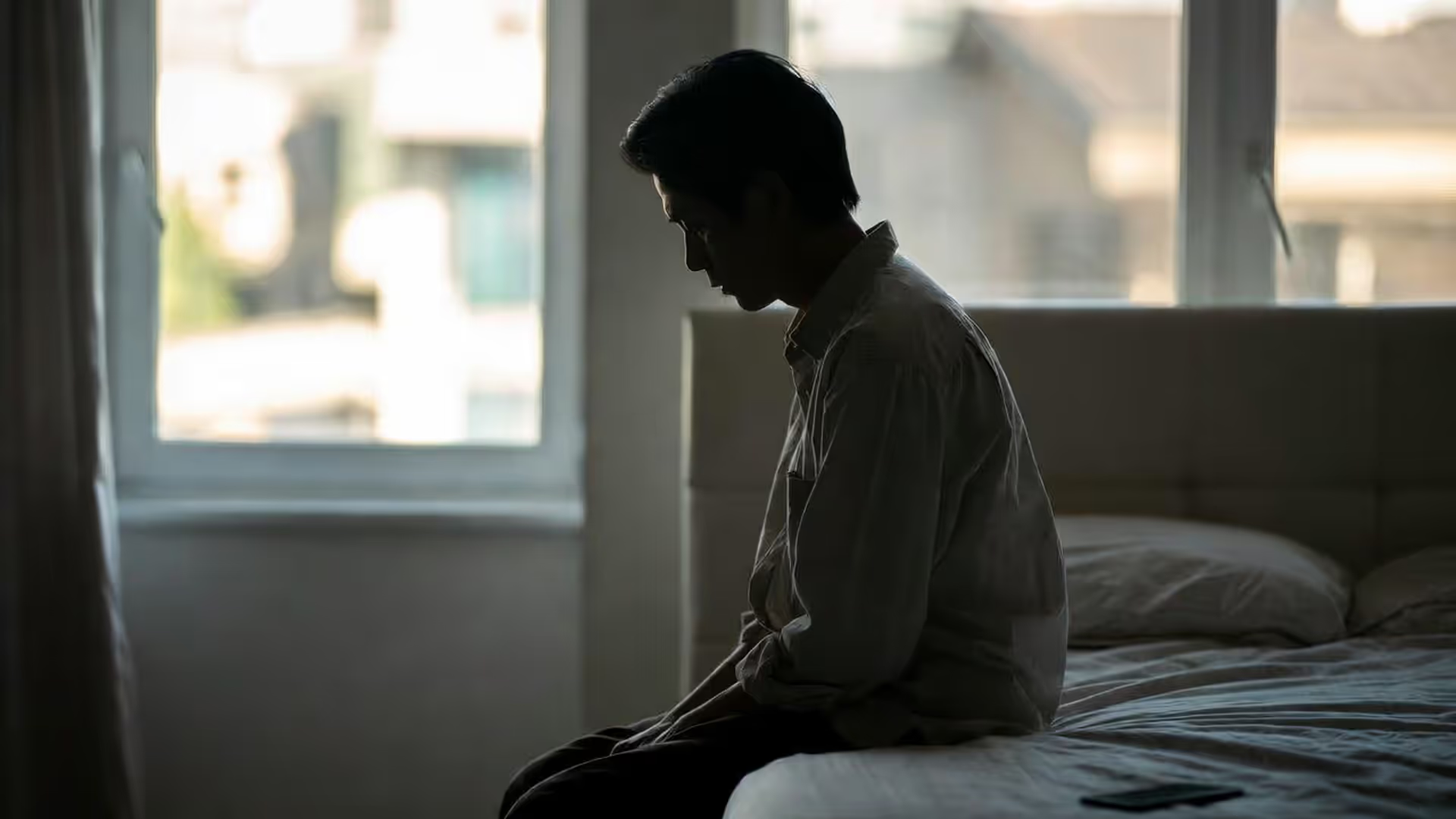
Imagine waking up to another gray morning, and everything feels muted—like the color has been drained from your world. That's how seasonal depression often feels: a heavy, numb blanket over your emotions and energy. You might go through the motions of daily life, but joy feels distant, and simple tasks require Herculean effort.
For example, picture Sarah, a teacher in Chicago. In summer, she's outgoing and energetic, planning outings with friends. But come November, she describes feeling "slowed down," like her body is moving through molasses. She withdraws from social plans, craves comfort foods, and struggles to muster enthusiasm for her classes. It's not dramatic despair but a persistent blah that saps her spark.
Or take Mike, who runs a small business in Seattle. He feels emotionally numb, where even good news barely registers. It's like being stuck in neutral gear—functional but not thriving. If this resonates, know it's common and temporary for many.

Author: Lauren Whitestone;
Source: ameliaearhartbook.net
Winter Blues vs Seasonal Depression
It's easy to mix up the winter blues with seasonal depression—they both hit when the weather turns cold. But understanding the difference can help you know when it's time to take action. The winter blues are milder and more common, like a temporary dip, while SAD is more intense and disruptive.
| Aspect | Winter Blues | Seasonal Depression (SAD) |
| Severity | Mild, passing sadness or lethargy | Moderate to severe, persistent depression |
| Duration | A few days to weeks | Months, recurring yearly |
| Impact on Daily Life | Minor; doesn't stop you from functioning | Significant; affects work, relationships, and health |
| Need for Treatment | Usually self-resolves with lifestyle tweaks | Often requires professional help like therapy or light boxes |
If those milder winter lows persist and begin to disrupt your everyday routine, they may be crossing the line into full seasonal affective disorder. At its core, the winter blues represent a typical, passing response to diminished sunlight, whereas SAD calls for greater awareness and often more active steps to address it.

Author: Lauren Whitestone;
Source: ameliaearhartbook.net
What Triggers Seasonal Affective Disorder?
This form of low mood doesn’t appear randomly—it stems from the way our physiology reacts to shifts in the environment. Let’s look at the primary factors involved.

Author: Lauren Whitestone;
Source: ameliaearhartbook.net
Reduced Daylight and Disruptions to the Body’s Internal Clock
The leading contributor is the drop in natural light during winter, which throws off your circadian rhythm—the internal timer that regulates sleep, wakefulness, and many other processes. With fewer hours of sunshine, the body increases production of melatonin, the hormone that promotes sleep, while decreasing serotonin, the chemical closely tied to positive mood and emotional stability. The resulting imbalance frequently brings on tiredness, subdued feelings, and difficulties with rest. This influence becomes especially pronounced in northern regions of the United States, where winter daylight hours are notably brief.
Biological and Hormonal Factors
Some people are more sensitive to these light changes due to genetics or brain chemistry. For instance, lower vitamin D from less sun exposure can worsen symptoms. Hormonal shifts, like in thyroid function, also play a role. Why does seasonal depression happen? It's your body's way of adapting to "winter mode," but for some, that adaptation goes overboard.
When Does Seasonal Depression Start — and How Long Does It Last?
Seasonal depression typically starts in late fall, around October or November, when days shorten noticeably. It peaks in winter, often hitting hardest in January—what some call "January depression" due to post-holiday letdown and lingering cold.
For most, symptoms ease by spring, around March or April, as sunlight increases. The duration? About 4–5 months on average, but it varies by location—northern states like Alaska see longer episodes. If it starts earlier or lasts longer, tracking patterns year-over-year can help predict and prepare.
Seasonal Anxiety and Shifts in Winter Mood
Seasonal anxiety frequently accompanies depression, layering an undercurrent of restlessness onto already depleted energy levels. In the darker months, disruptions to your body's natural rhythms can push the nervous system into a heightened state, resulting in heightened worry over minor matters or a persistent feeling of discomfort.
These kinds of mood fluctuations in winter are far from uncommon. A great many people report feeling more tense or on edge when spending extended time indoors. It often feels as though your body is quietly alerting you that balance has been disturbed, which in turn intensifies overall stress. Fortunately, straightforward habits—such as maintaining a regular exercise routine—can go a long way toward easing this form of seasonal unease.
When Should You Reach Out for Help with Seasonal Depression?
If the symptoms persist beyond two weeks and begin interfering with everyday functioning—such as causing you to miss work, creating tension in close relationships, or leaving you overwhelmed by hopelessness—it’s important to take the step of seeking professional support. Delaying can allow things to deepen, so acting sooner is usually more effective.
Begin by consulting your primary care physician to exclude any underlying medical factors. From there, connecting with a mental health professional who has experience with mood-related conditions is often the next logical move. Approaches like light therapy or structured talk therapy frequently prove transformative. Keep in mind that asking for assistance is not a sign of fragility; it is an intentional act of looking after your own well-being.
Seasonal depression is linked to how reduced daylight affects brain chemistry and circadian rhythms.
— Dr. Emily Carter, Clinical Psychologist

Author: Lauren Whitestone;
Source: ameliaearhartbook.net
Frequently Asked Questions (FAQ)
Seasonal affective disorder is a genuine experience that affects many people, yet it remains something you can effectively handle and overcome. Gaining insight into its warning signs, root triggers, and recurring cycles empowers you to loosen its grip and truly enjoy the colder months once again. No matter whether you're navigating a mild seasonal dip or facing a more intense version of SAD, recognizing the right moment to ask for assistance can change everything.
You are far from the only one going through this—spring will arrive, both in the calendar and in how you feel. If things feel heavy right now, don't hesitate to connect with someone who can help; reaching out often becomes the turning point that brings real relief.