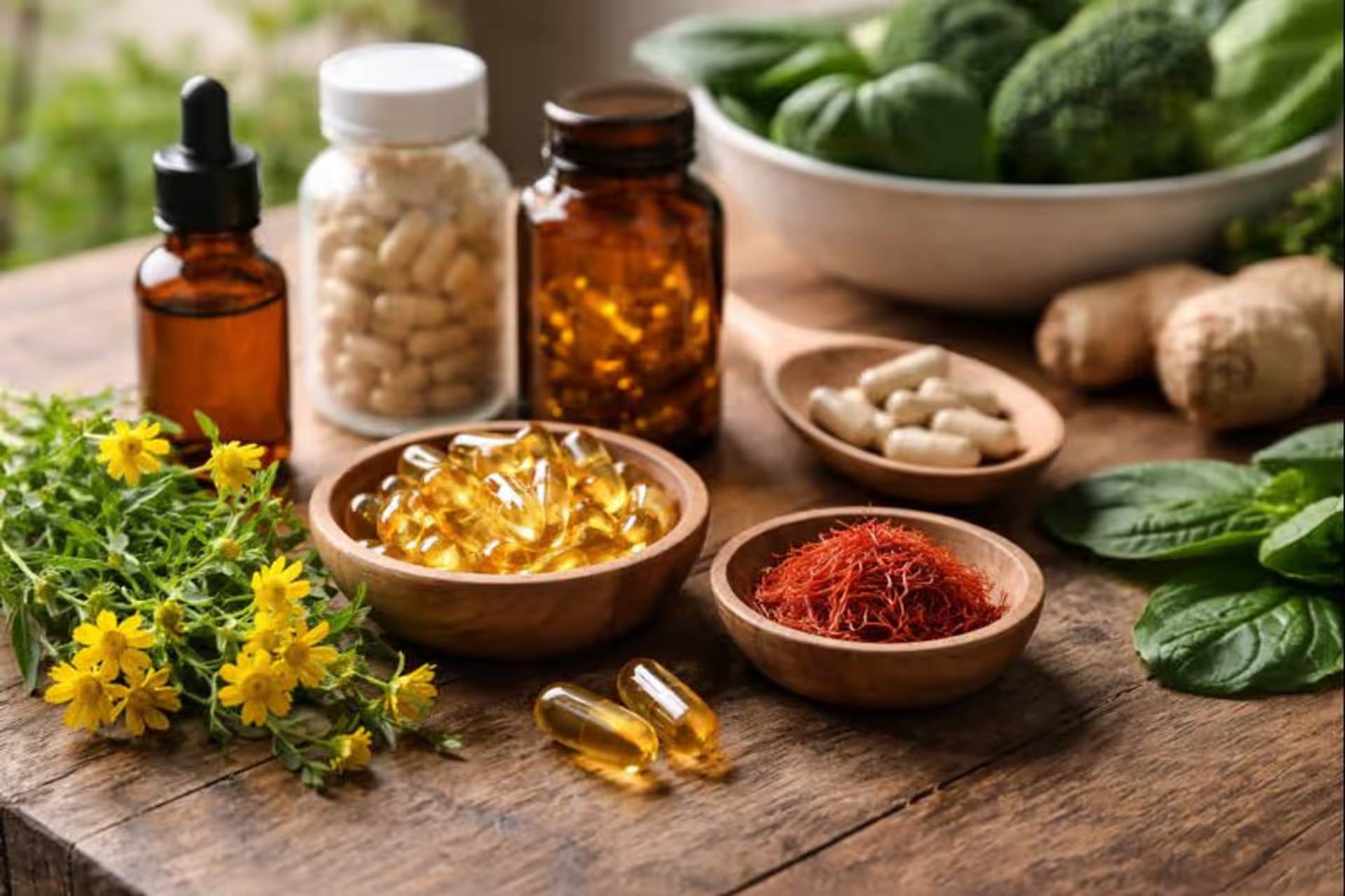
Assortment of natural supplements, herbs, and foods for depression support
Natural Antidepressants Guide for Mood Support

Content
Hello everyone, if you've landed here, you're probably exploring options to handle depressive feelings without jumping straight to prescription drugs. As someone who's spent a lot of time researching nutrition and wellness, I find the realm of natural mood boosters truly intriguing. They're not miracle solutions, but for individuals with lighter symptoms, they can offer meaningful support. This includes various vitamins, plant extracts, and daily routines that help regulate emotions in a gentle way. Remember, it's wise to consult a healthcare provider before starting anything new—I'm simply relaying insights from studies in an approachable manner.
Today, we'll delve into approaches like herbal options and lifestyle adjustments that can aid in managing mood issues. I'll cover top choices among supplements and some time-tested botanicals with promising research, including updates from recent 2025 studies that highlight emerging options like rhodiola and lemon balm. Let's jump right in.
What Are Natural Antidepressants?
These are essentially non-drug alternatives designed to alleviate signs of low mood and related concerns. They encompass nutritional aids, botanical preparations, essential nutrients, and even routine practices that enhance feel-good brain signals. Differing from standard pharmaceuticals, these derive from natural origins—such as seed oils or herbal infusions—though they're not under the same strict oversight as medicines.
For example, when people inquire about accessible mood aids, many point to items like sunshine vitamins or essential fats. Their appeal lies in promoting a whole-body strategy, particularly for less intense situations. Recent reviews from 2025, like one in Frontiers in Pharmacology, analyzed over 200 trials and found substantive evidence for well-known options while pointing to promising newcomers.
Saffron could be as effective as traditional antidepressants in randomized trials, and there's actually folklore in Iran: If you're too happy, you must have had saffron.
— Dr. Daniel Amen
How Do They Work?
Such aids generally influence neural pathways, reduce bodily swelling, or stabilize hormones. Some elevate key messengers like feel-good chemicals, vital for emotional balance. Others lower tension signals or nurture digestive flora, given the strong link between gut and mind. For instance, emerging research shows how modulating gut microbiota through certain herbs can indirectly support mental health by reducing inflammation tied to depressive states.
Benefits and Limitations
On the positive side, they're typically easier to obtain, might cause milder reactions for certain users, and can pair well with counseling. Evidence indicates they could ease fatigue or gloom without the habit-forming potential of some treatments. A 2025 scoping review noted that products like saffron and St. John's Wort often matched or exceeded placebo effects, sometimes rivaling prescription options in efficacy.
That said, they're not universal fixes. Effects are often best in gentler scenarios, and outcomes differ per person. Drawbacks involve variable product standards and calls for further extensive studies. Importantly, they shouldn't replace expert care for serious conditions.
As psychiatrist Dr. Daniel Amen points out regarding one spice, "Saffron was equally as effective as antidepressants in randomized trials."

Author: Allison Monro;
Source: ameliaearhartbook.net
Best Supplements for Depression
Curious about what supplements help with depression? This topic draws a lot of interest, and several have backing from reputable health centers like those in Ohio and Minnesota. Recent 2025-2026 updates emphasize not just classics like omega-3s but also probiotics and zinc, with studies showing they can outperform placebo in reducing symptoms.
Here's a handy chart to outline prominent ones, expanded with emerging options from recent research:
| Supplement | Usual Amount | Support Strength | Food Origins |
| Essential Fatty Acids (Omega-3s) | 1-2g of key types per day | Strong (combats swelling, aids neural function) | Oily seafood, linseeds, tree nuts |
| SAM Compound | 400-1600mg daily | Fair (enhances signal molecules) | Proteins from animals, but pills are lab-made |
| Sunshine Vitamin (Vitamin D) | 1000-2000 units daily | Robust (key for those lacking it in mood dips) | Rays, enriched items, marine sources |
| Group B Nutrients (like B12, Folic Acid) | Differs (e.g., 400mcg folic) | Decent to Strong (boosts vitality and nerves) | Veggies, poultry products, seeds |
| Probiotics | Varies by strain (e.g., 10-20 billion CFUs) | Emerging Strong (supports gut-brain axis) | Yogurt, fermented foods like kimchi |
| Zinc | 15-30mg daily | Promising (modulates neurotransmitters) | Oysters, beans, nuts |
These are broad suggestions—get tailored advice from a specialist. Always check for deficiencies first, as correcting them can amplify benefits.
Omega-3 Fatty Acids
These act as nourishment for the mind. Sourced from marine capsules, they tackle inflammation often tied to mood lows. Trials indicate they might match certain therapies for subtle cases, particularly those high in specific acids. A 2025 review of 39 trials confirmed omega-3s consistently reduced depressive symptoms, especially when combined with diet changes.
Try incorporating ocean catch into dinners a couple times weekly or using a reliable additive. Many report smoother emotional fluctuations from this. Personally, I've noticed better focus during winter months when supplementing with these.
SAMe (S-Adenosylmethionine)
Produced innately in us, this helps generate uplifting compounds. As natural antidepressants supplements, versions like this show potential in research, sometimes rivaling short-term pharmaceutical relief. It costs more, yet valuable if your levels are off. Updated studies from 2025, including systematic reviews, reaffirm its role in major depressive disorder, particularly for those with inflammation markers.
Meditation appeared to provide as much relief from some depression symptoms as other studies have found with antidepressants.
— From Dr. Madhav Goyal, M.D., M.P.H.
Vitamin D and B Vitamins
Lacking the sun nutrient is widespread and connected to down moods—like seasonal slumps. Upping it through additions or exposure can brighten things, with 14 trials in a 2025 analysis showing it outperformed placebo. The B cluster, including energy supporters like folic acid, maintains stamina and connections. If meals fall short, these prove transformative. Folic acid, in particular, emerged as promising in recent scoping reviews, with benefits for those deficient in this key nutrient.
According to researcher Madhav Goyal, M.D., M.P.H., on a related practice: “Meditation appeared to provide as much relief from some depression symptoms as other studies have found with antidepressants.”
Herbal Remedies for Depression
Plant-based solutions for low spirits date back ages, with contemporary data starting to affirm them. These serve as natural mood enhancers for depression and pack potency, though with notes of caution. A 2025 study in Frontiers highlighted 64 remedies, with strong evidence for several herbs.
St. John's Wort

Author: Allison Monro;
Source: ameliaearhartbook.net
This vibrant herb stands out as a leading botanical aid. It mimics some mood regulators by lifting key transmitters. Investigations propose it's useful for softer moods, but mind potential clashes—38 trials showed it often equaled or beat antidepressants. (For more, check Wikipedia's page on Hypericum perforatum.)
Options include brews or tablets—begin modestly, say 300mg thrice daily. It's long favored across continents. Be cautious with interactions, like with birth control.
Saffron and Lavender
The luxurious seasoning saffron demonstrates mood-lifting in experiments, likely by adjusting neural elements—18 trials confirmed its comparability to meds. Lavender, in infusions or scents, soothes worries that amplify lows. Using its oil for scent therapy is an easy entry, and emerging evidence from 2025 reviews marks it as promising for further study, especially in combination with other calming herbs.
In the words of neuropsychopharmacologist Thomas Blackburn, critiquing conventional paths: "Antidepressants are blunt instruments that have a large number of effects on the brain only some of which are considered therapeutic."
Rhodiola and Lemon Balm
Rhodiola, an adaptogenic herb, helps combat stress and fatigue, with limited but positive trials suggesting mood improvements. Lemon balm, often in teas, calms the nervous system and shows emerging promise in 2025 analyses for mild symptoms. These are great for those seeking subtler, daily support—try them in blends for enhanced effects.
Natural Ways to Treat Depression Without Medication
Outside of ingestibles, habits form the foundation. These methods emphasize comprehensive shifts for enduring strength, and combining them with supplements can amplify results.
Diet and Nutrition

Author: Allison Monro;
Source: ameliaearhartbook.net
Nourish as if your disposition hinges on it—since it does. Patterns like sea-inspired eating with produce and good lipids fight internal unrest. Steer clear of sweet drops that deepen valleys. Incorporate anti-inflammatory foods like turmeric or berries, which recent studies link to better gut health and mood stability.
Suggestions: Emphasize fruits high in protectors, kernels for minerals, and cultured eats for microbial harmony. Probiotics from food sources, like kefir, tie into 18 trials showing gut support for depressive relief. Experiment with meal preps that include these for consistent benefits.
Exercise and Mindfulness
Movement matters: Half-hour brisk strolls most days can parallel some interventions for light cases, boosting endorphins naturally. Awareness exercises cut repetitive thoughts—apps offer starters, and pairing with yoga enhances the calm. A 2025 UCL study on antidepressants noted early improvements in core symptoms, but natural practices like these often provide similar quick lifts without side effects.

Author: Allison Monro;
Source: ameliaearhartbook.net
Other Lifestyle Changes
Rest patterns, bonds with others, and pursuits count. Curb spirits, as they suppress core systems. Logging thoughts or animal companionship add enjoyment. Sun exposure for vitamin D, social hobbies to combat isolation—these small shifts build resilience over time. Recent insights from 2025 emphasize holistic approaches, including sleep hygiene, as key for long-term management.
Potential Risks and Side Effects
No rose without thorns—organic doesn't mean harmless. Quality varies, so choose reputable brands.
Interactions with Medications
Certain herbs might dilute protections or thinners. Others could heighten reaction risks when blended with regulators. For example, St. John's Wort interacts with many drugs, per 2025 warnings.
When to Avoid Natural Options
Pass if expecting, with fluctuating moods (mania chance), or on specifics. Check sensitivities always. Those with severe symptoms should prioritize professional guidance.
When to See a Doctor
Should signs linger, intensify, or involve dark ideas, get assistance immediately. These gentle paths excel for minor issues, but deeper ones demand skilled guidance—sessions, remedies, or combos. Helplines provide vital support. (Learn more via Wikipedia on Major depressive disorder.)
To sum up, venturing into these aids can strengthen your wellness path. Experiment cautiously, monitor progress, and know support exists. Share below—what lifts your spirits?
FAQ