

A person in a relaxed position with closed eyes, practicing relaxation
How to Calm Your Nervous System Quickly

Content
That familiar sensation hits out of nowhere—pulse quickens, hands get clammy, thoughts spiral into catastrophe despite being completely safe. When your body feels trapped in perpetual high alert, know that millions share this experience, and effective solutions exist.
Contemporary life bombards us with stressors our ancestors never encountered. Every deadline, financial worry, and buzzing smartphone triggers primitive defense mechanisms meant for actual danger. With the right techniques, you can master how to calm nervous system quickly during anxious moments while cultivating lasting resilience. This guide covers evidence-based approaches for ongoing nervous system regulation.
Understanding Your Nervous System and Its Need for Balance
Think of your nervous system as mission control for your entire body—an intricate communication network governing everything from cardiac rhythm to emotional states. The autonomic branch operates beneath conscious awareness, managing essential functions like respiration, pulse, and digestion while continuously adapting to environmental cues.
A well-calibrated system allows you to mobilize energy during demanding situations and downshift into restoration mode once challenges pass. When this mechanism locks into hyperactive mode, trouble follows—relaxation becomes elusive, sleep suffers, and unwarranted anxiety persists. Healthcare professionals term this condition nervous system dysregulation.
The Two-Pedal System: Activation vs. Recovery
Picture your autonomic nervous system as a vehicle with accelerator and brake. The sympathetic branch functions as the gas pedal—engaging when your brain detects potential threats and initiating the well-known "fight-or-flight" cascade. This involves flooding your bloodstream with cortisol and adrenaline, accelerating your heartbeat, and priming muscles for action.
The parasympathetic branch serves as your brake mechanism—decelerating bodily processes to facilitate recuperation and restoration. Optimal functioning requires seamless coordination between these systems. Difficulties emerge when sympathetic activation becomes chronic. That's precisely when deliberate calming strategies become essential.
Warning Signs of an Overactivated System

Author: Allison Monro;
Source: ameliaearhartbook.net
Recognizing dysregulation proves crucial for addressing it. When imbalanced, you may find it impossible to calm body anxiety despite being in genuinely secure environments. Watch for these indicators:
- Persistent vigilance or feeling perpetually "on guard"
- Troubled sleep—whether falling asleep or maintaining it
- Uncontrollable mental chatter and worry loops
- Gastrointestinal disturbances including nausea or bloating
- Chronic tightness through neck, shoulder, and jaw muscles
- Paradoxical exhaustion combined with restless energy
- Disproportionate emotional responses to minor triggers
- Mental cloudiness and concentration difficulties
Rapid Techniques to Calm Your Nervous System
Certain moments demand immediate intervention—right before entering a high-stakes meeting, after receiving distressing news, or during those 3 AM episodes of racing thoughts. These swift methods deliver relief within sixty seconds, regardless of location.
The Stanford Sigh: Your 30-Second Emergency Reset
Stanford researchers identified this breathing pattern as exceptionally effective for rapid stress reduction. The mechanism involves re-expanding compressed lung tissue, optimizing gas exchange, and sending instantaneous calming signals to neural circuits.
Execute it this way: Draw air deeply through your nostrils. Just before reaching full capacity, add a brief secondary inhalation. Follow with an extended, complete exhalation through your mouth—significantly longer than the combined inhales. A single repetition produces noticeable shifts; two cycles can transform your state within moments.
Tactical Breathing Patterns: Box and 4-7-8 Methods
Elite military units have relied on box breathing for generations to maintain composure under extreme conditions. The pattern: breathe in counting to four, suspend breathing for four counts, release air over four counts, pause empty for four counts. Continue this rhythmic sequence for sixty to one hundred twenty seconds.
Struggling with sleep? The 4-7-8 sequence offers particular benefits: draw breath for four counts, retain for seven, expel forcefully for eight. The prolonged exhalation phase directly engages relaxation pathways.
The Dive Reflex: Cold Water's Instant Effect

Author: Allison Monro;
Source: ameliaearhartbook.net
Applying cold water to facial skin activates the mammalian dive reflex—an automatic response that immediately decelerates heart rate and shifts blood toward essential organs. Target the forehead, eye area, and cheekbones with splashed cold water or a chilled damp cloth. Results appear almost instantaneously—pounding heart settles, and grounded awareness returns.
Sensory Anchoring: The 5-4-3-2-1 Protocol
When anxious thinking creates a downward spiral, sensory engagement interrupts the pattern. Systematically catalog: five visible objects, four tactile sensations, three audible sounds, two detectable scents, one taste. This practice disrupts rumination and anchors attention firmly in present-moment experience.
Quick Reference: Choosing the Right Technique
| Technique | Time Required | Best For | How It Works |
| Physiological Sigh | 30 seconds | Acute stress, pre-meeting anxiety | Optimizes lung gas exchange, signals calm to brain |
| Box Breathing | 1-2 minutes | Maintaining composure under pressure | Balances nervous system through rhythmic pattern |
| 4-7-8 Breathing | 2-3 minutes | Sleep difficulties, nighttime anxiety | Extended exhale activates parasympathetic response |
| Cold Water Dive Reflex | 10-30 seconds | Panic moments, racing heart | Triggers automatic heart rate deceleration |
| 5-4-3-2-1 Grounding | 1-2 minutes | Spiraling thoughts, dissociation | Anchors attention in present sensory experience |
Vagus Nerve Exercises to Activate Relaxation
Author: Allison Monro;
Source: ameliaearhartbook.net
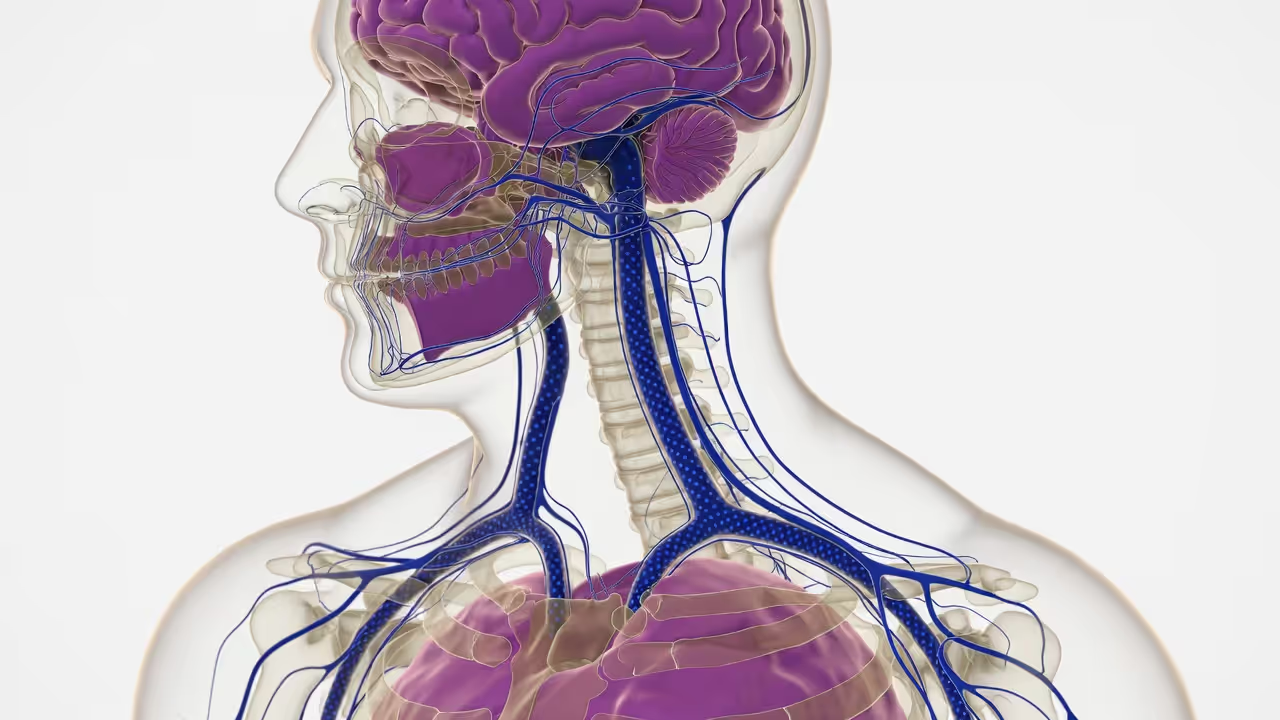
Your vagus nerve represents the primary communication pathway between brain and body's calming systems—the longest cranial nerve, extending from brainstem through chest into abdominal cavity. Stimulating this nerve directly engages parasympathetic recovery mode. These body based calm approaches leverage physical sensation to broadcast safety signals to the brain.
Nervous system regulation is about finding that balance between being able to respond to stressors when needed and being able to come back to a place of calm and relaxation.
— Paula O'Neill
Belly Breathing: The Vagal Massage
Shallow upper-chest breathing—common during stress—bypasses vagal stimulation entirely. Abdominal breathing creates gentle internal pressure that physically activates the vagus nerve. Position one palm on your chest, the other on your abdomen. During inhalation through the nose, concentrate on expanding your belly while your chest remains relatively stationary. Release breath slowly through parted lips. Target approximately six complete cycles per minute.
Breathing in certain patterns can help bring stress and anxiety down. Breathing is with us all the time, it's free, and we can implement different techniques to destress in the moment.
— O'Neill notes
Vocal Vibration: Humming, Chanting, and the "Voo" Sound
Vagal nerve fibers connect directly to laryngeal muscles. Any activity generating throat vibration—melodic humming, vocalized chanting, even vigorous gargling—stimulates these pathways and encourages relaxation.
Dr. Peter Levine developed a specific vocalization: settle into comfortable seating, breathe fully, then produce a deep, resonating "voo" sound during a complete exhalation, sensing vibrations through chest and throat until lungs empty. This frequently generates immediate tranquility. Even casual humming or shower singing engages identical calming circuits.
Temperature Therapy and Manual Stimulation
Repeated cold exposure gradually strengthens vagal tone—enhancing your nerve's capacity to facilitate stress recovery. Conclude daily showers with thirty seconds of cold water, or position cooling packs against chest or lateral neck surfaces.
The vagus nerve traverses the neck region with branches extending toward the ears. Gentle self-massage along the neck's lateral aspects, particularly behind the earlobes, using moderate pressure, stimulates these pathways. Spontaneous yawning or sighing during this practice signals successful parasympathetic engagement.
Nervous System Regulation Exercises for Daily Practice
Emergency interventions address acute episodes, but genuine resilience develops through consistent training. These nervous system regulation exercises, performed regularly, condition your physiology to recover calm more efficiently and maintain equilibrium longer. Consider calming nervous system practices as preventive maintenance—rehearsing during peaceful periods maximizes effectiveness during genuine crises.
Sequential Muscle Release
This technique involves deliberately contracting then releasing muscle groups progressively throughout the body. The process educates your nervous system to distinguish tension from relaxation while dissolving accumulated physical stress.
Begin at the extremities—squeeze toe muscles firmly for five seconds, then release, observing the contrast. Progress through calves, thighs, gluteal muscles, abdominals, hands, arms, shoulders, and facial muscles. Complete sessions require fifteen to twenty minutes and prove especially valuable as pre-sleep rituals.
Mindful Movement and Gentle Yoga
Yoga integrates controlled respiration, deliberate movement, and present-moment focus—creating ideal conditions for nervous system regulation. Research demonstrates consistent practice measurably reduces cortisol and diminishes anxiety.
Extensive training isn't required. Fifteen minutes of deliberate stretching with conscious breathing shifts physiological state noticeably. Prioritize unhurried, attentive movement—monitoring sensations rather than forcing through discomfort. Restorative poses like child's position and gentle twists offer particularly calming effects.
Therapeutic Self-Touch
Physical contact powerfully influences nervous system state. Embrace yourself by placing one hand beneath the opposite armpit and the other on your upper arm. Maintain gentle pressure while breathing deeply. Alternatively, rest one palm over your heart and the other against your abdomen. The butterfly embrace—crossing arms over chest and alternating soft taps on each shoulder—offers another effective option.
Natural Ways to Calm Your Nervous System Long-Term
Discrete exercises matter, yet broader lifestyle patterns exert tremendous influence over baseline nervous system function. These natural ways to calm nervous system activity establish foundations for enduring resilience.
Protecting Restorative Sleep
Overnight hours allow your nervous system to perform essential repairs. Sleep deprivation amplifies emotional reactivity while diminishing stress tolerance—creating optimal conditions for chronic dysregulation.
Target seven to nine hours of quality rest nightly. Implement sound sleep practices: maintain cool, darkened quarters; establish consistent schedules; eliminate screens during the final hour before sleep. When racing thoughts obstruct sleep, the 4-7-8 breathing sequence often helps.
Dietary Support for Neural Health
Nutritional choices directly impact nervous system function. Magnesium—nature's relaxation mineral—plays essential roles in regulating neurotransmitters that signal downshifting. Chronic stress accelerates magnesium depletion. Excellent sources include dark leafy vegetables, nuts and seeds, legumes, and high-quality dark chocolate (minimum 70% cacao).
Blood sugar stability matters too. Glucose crashes produce symptoms—rapid heartbeat, trembling, sudden anxiety—virtually indistinguishable from panic attacks. Emphasize meals combining protein, beneficial fats, and complex carbohydrates.
Immersion in Natural Environments

Author: Allison Monro;
Source: ameliaearhartbook.net
Humans instinctively recognize that natural settings promote wellbeing. Scientific investigation confirms this intuition: exposure to outdoor environments measurably reduces stress biomarkers, facilitates psychological relaxation, and enhances heart rate variability—a primary marker of healthy nervous system function. Brief park visits or garden time can meaningfully recalibrate an overactivated system.
How to Regulate Your Nervous System Through Lifestyle Changes
Beyond specific interventions, the overall architecture of daily existence profoundly shapes nervous system function. Modest, sustained adjustments to everyday routines accumulate into substantial improvements in baseline stress levels.
Establishing Predictable Rhythms
Your nervous system thrives on regularity. Chaotic schedules and erratic eating patterns maintain low-level vigilance—perpetual readiness for unexpected demands. Creating reliable anchors—consistent rising and sleeping hours, regular meal windows, dependable routines—provides the stability your system craves. Even minor rituals communicate safety signals that permit genuine relaxation.
Managing Stimulant Intake
Caffeine and sugar aren't inherently problematic, but individuals with dysregulated systems often find these substances exacerbate difficulties. Caffeine directly activates sympathetic pathways, and excessive consumption can provoke nervousness and heightened anxiety. Experiment with restricting caffeine to morning hours exclusively, or transitioning toward gentler options like quality green tea.
Human Connection and Shared Regulation

Author: Allison Monro;
Source: ameliaearhartbook.net
Evolution designed humans as profoundly social beings. Dr. Stephen Porges' Polyvagal Theory demonstrates that our nervous systems evolved to be soothed through safe social engagement. This phenomenon—called co-regulation—describes how calm, trustworthy individuals help stabilize our own physiological states. Heartfelt conversation or physical embrace from loved ones can produce calming effects that solitary techniques cannot match.
How to Relax Your Nervous System When Nothing Seems to Work
Occasionally despite sincere efforts, you may feel stuck. Standard approaches fail or seem impossible to attempt. This frequently indicates something deeper requires attention.
Recognizing the Shutdown Response
Beyond "fight or flight" exists a third survival pattern: freeze. When your nervous system encounters threats perceived as inescapable, it may initiate shutdown mode. Symptoms include mental fogginess, disconnection, numbness, or profound fatigue. Conventional calming methods often fail because the system isn't hyperactivated—it's collapsed into immobility. If this resonates, gentle energizing approaches may prove more effective—small movements, easy stretches, or warming the body with blankets or hot beverages.
Somatic Experiencing Approaches
Somatic Experiencing, created by Dr. Peter Levine, facilitates release of trapped stress through bodily awareness. This methodology represents the ultimate body based calm approach—addressing physical sensation directly rather than attempting to cognitively override stress. Experiment with gentle full-body shaking or tremoring, or simply observe physical sensations without attempting to alter them.
Recognizing When Professional Support Is Needed
Seek professional guidance when symptoms significantly impair daily functioning, unresolved trauma requires processing, or self-directed techniques yield minimal improvement. Practitioners specializing in Somatic Experiencing, EMDR, or Polyvagal-informed modalities offer particular expertise for persistent dysregulation.
Frequently Asked Questions
Final Thoughts: Cultivating Lasting Resilience
Mastering how to calm your nervous system extends beyond momentary relief. Truly understanding how to heal your nervous system and how to relax nervous system responses requires patience, yet returns permeate every life domain.
Begin modestly. Select one or two nervous system regulation techniques and practice faithfully. Perhaps the physiological sigh becomes your go-to stress response reset, or five minutes of abdominal breathing becomes nightly ritual.
Nervous system regulation doesn't mean eliminating stress—it means developing capacity to navigate challenges and efficiently return to equilibrium. Every modest step reinforces your system's recognition of safety. That protective mechanism has labored tirelessly on your behalf. Perhaps now is the moment to demonstrate that sufficient safety exists for genuine relaxation.