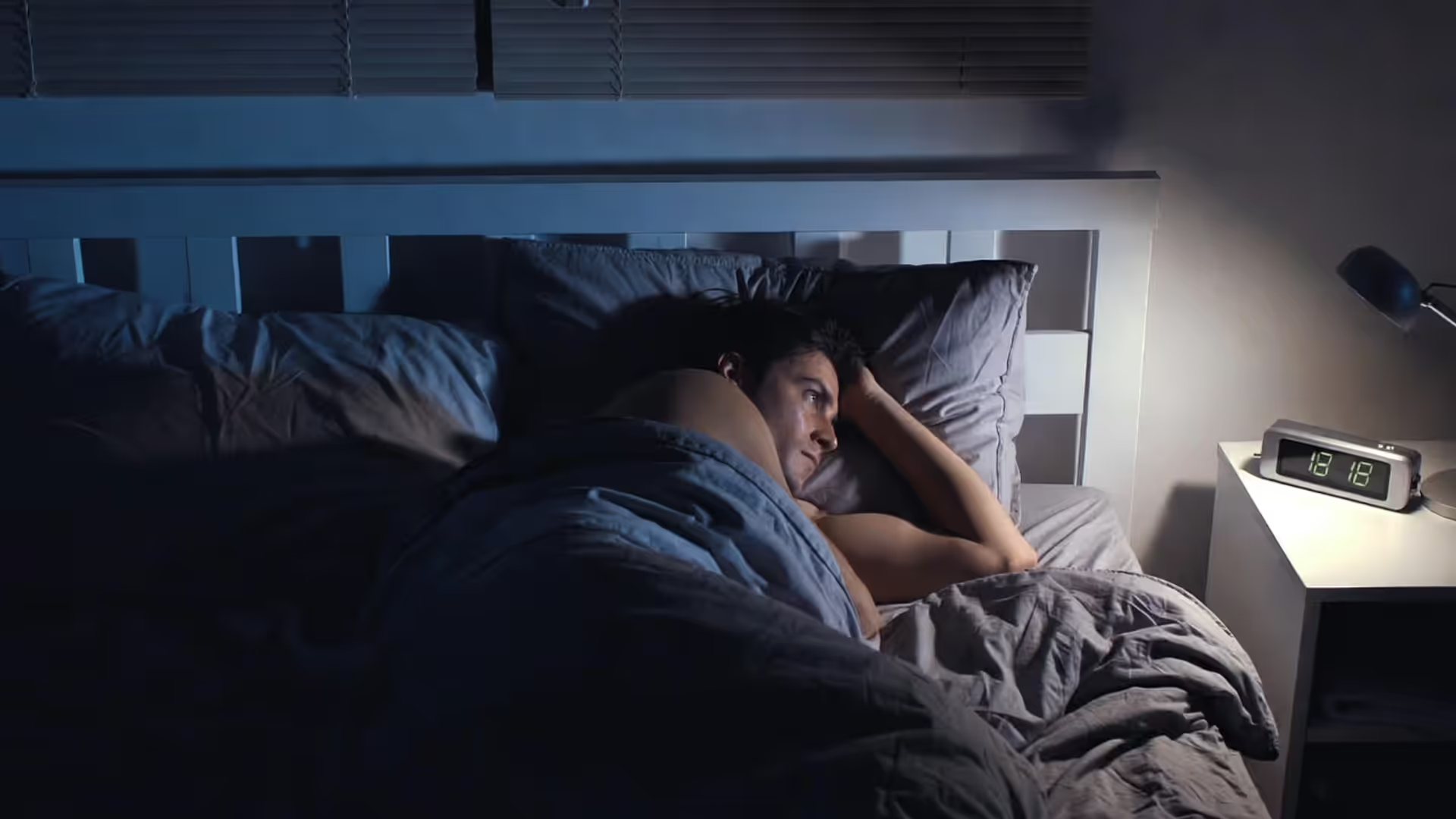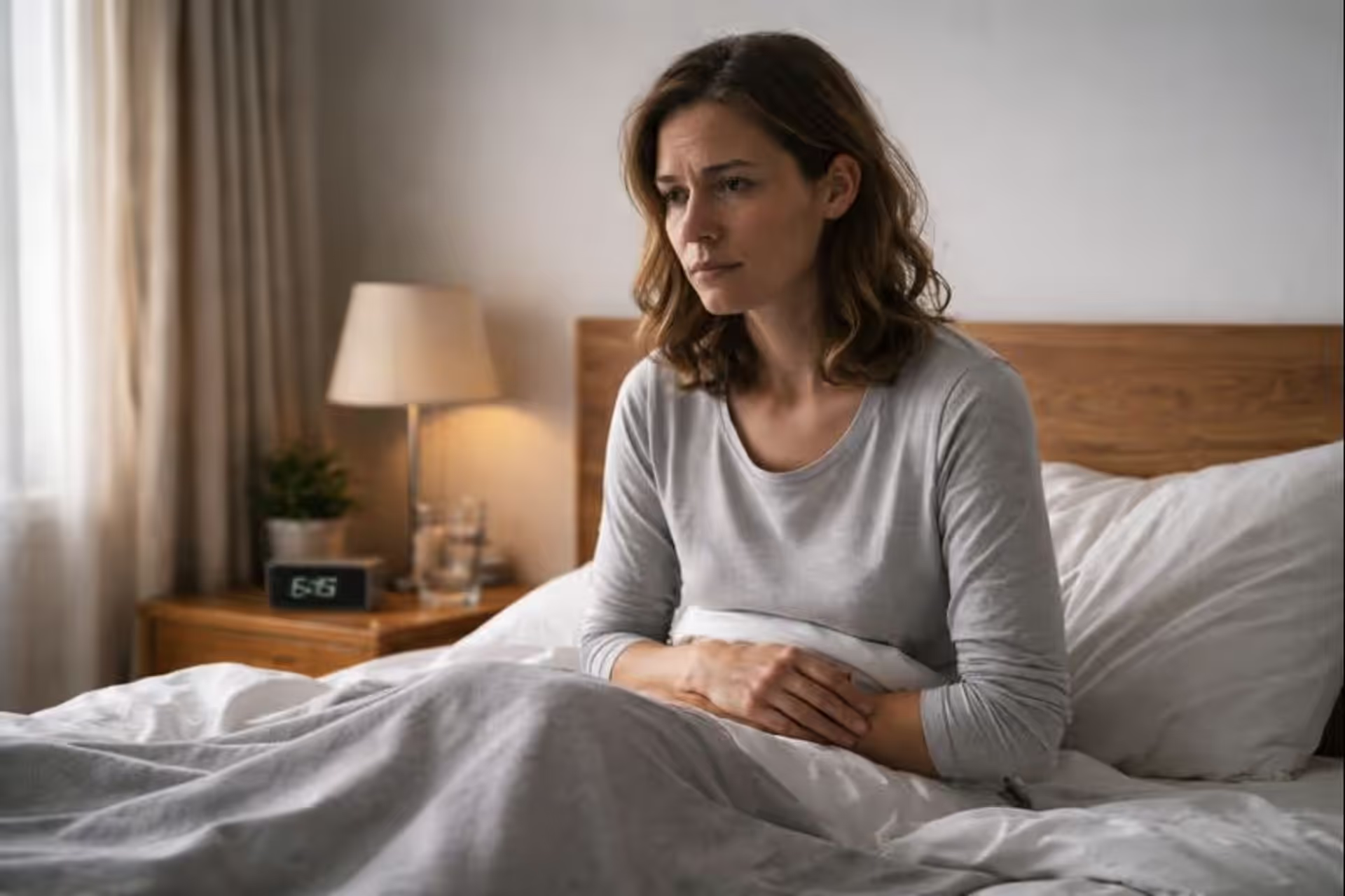

Stress and anxiety: a visual comparison of states
Stress vs Anxiety Differences Explained Simply

Content
That nagging feeling of being overwhelmed or constantly on edge? It’s something most Americans know all too well. Research from the American Psychological Association reveals that nearly 8 in 10 adults in the U.S. deal with significant stress regularly. Here’s the catch—what you’re experiencing could be anxiety or stress, or perhaps a combination of both. Recognizing which one you’re facing is essential for finding relief.
Key Takeaways
- Stress emerges from external pressures and generally subsides once the triggering situation ends
- Anxiety frequently continues even without a clear reason and may stick around long after problems are resolved
- These two conditions produce overlapping physical effects but stem from different sources
- Prolonged, poorly managed stress has the potential to evolve into an anxiety disorder
- Proven techniques exist to help you handle both effectively
What Sets Stress Apart from Anxiety?
When examining the difference between stress and anxiety, one fundamental distinction stands out: whether or not you can identify a specific cause. Many people ask, “What is the difference between stress and anxiety?”—and the answer lies in their origins.
Stress represents your body’s built-in reaction to outside pressures or obstacles. It surfaces when you’re racing against a work deadline, navigating money troubles, or working through tension with family members. Consider stress your internal alarm—it switches on when danger or difficulty appears, then powers down after the threat passes.
Anxiety functions differently. It’s how your system responds to stress, but it can show up even when nothing threatening is actually happening. Anxiety involves ongoing feelings of unease, fear, or apprehension about potential problems—sometimes without any rational basis for concern.
Generally, stress is a response to an external cause, such as a tight deadline at work or having an argument with a friend, and subsides once the situation has been resolved. Anxiety is a person’s specific reaction to stress; its origin is internal.
— Mental Health First Aid
A practical way to distinguish them: when you can pinpoint exactly what’s troubling you and that discomfort disappears once the issue resolves, you’re probably dealing with stress. When the uneasiness persists or you struggle to explain why you feel unsettled, anxiety is more likely the culprit. Understanding this stress vs anxiety definition helps you choose the right coping approach.

Author: Allison Monro;
Source: ameliaearhartbook.net
Stress and Anxiety Symptoms: Where They Overlap
These two conditions get mixed up so often because their symptoms look remarkably alike. Each one activates your body’s survival mechanism, flooding your system with adrenaline and cortisol—hormones that produce comparable physical and emotional responses.
Physical Manifestations They Share
- Rapid heartbeat or noticeable palpitations
- Tense muscles, particularly around the neck and shoulders
- Head pain
- Exhaustion or depleted energy levels
- Stomach troubles (queasiness, cramping, loose stools)
- Excessive perspiration
- Trouble falling or staying asleep
- Shifts in eating habits
Emotional and Behavioral Overlap
- Quick temper or emotional volatility
- Problems maintaining focus
- Inability to sit still or feeling wound up
- Sensation of being swamped
- Tendency to dodge certain situations

Author: Allison Monro;
Source: ameliaearhartbook.net
Direct Comparison: Stress vs Anxiety
| Characteristic | Stress | Anxiety |
| Source | Outside factors you can name (work pressure, bills, arguments) | Frequently internal or vague; may lack an obvious origin |
| How long it lasts | Short-term; fades when the cause is eliminated | Can stretch on for weeks, months, or indefinitely |
| Mental orientation | Current challenges or issues | Potential future dangers, hypothetical scenarios, catastrophic thinking |
| Distinctive signs | Feeling pressured, wound tight | Looming sense of catastrophe, overwhelming dread, sudden panic episodes |
| After resolution | Discomfort eases once the problem is handled | May continue regardless of whether issues get fixed |
| Effect on routine | Typically causes brief interruptions | Can seriously disrupt professional life, personal connections, and everyday tasks |

Author: Allison Monro;
Source: ameliaearhartbook.net
Signs of Stress and Anxiety: How to Tell Them Apart
Despite considerable overlap, certain markers can help you figure out which condition you’re facing. Getting this right matters because it points you toward the most appropriate coping methods.
Indicators That Point to Stress
Stress typically connects to identifiable circumstances. You’re probably experiencing stress when:
- The source of your discomfort is crystal clear (a demanding project, relationship friction, medical concerns)
- Your symptoms emerged alongside the difficult situation
- Relief comes during weekends, time off, or distance from the problem
- Resolving the issue or waiting for it to pass brings genuine relief
- Your level of concern matches the actual severity of the situation
Typical stress catalysts include: - Professional deadlines or workplace demands - Money problems - Significant life transitions (relocating, starting a new position, getting married or divorced) - Medical challenges affecting you or someone close to you - Household duties or disagreements - Everyday annoyances (commuting, packed schedules)
Indicators That Point to Anxiety
Anxiety often resembles stress that refuses to let up—persisting even when nothing concrete warrants concern. You might be dealing with anxiety if:
- Your worry level exceeds what the situation actually calls for
- Uneasiness shadows you even during good times
- Your mind regularly jumps to disaster scenarios
- Physical symptoms continue without any diagnosable medical issue
- You sidestep activities or places because of fear
- Concern gets in the way of job performance or relationships
- You go through panic episodes (sudden waves of terror accompanied by physical distress)
Putting It in Context
Picture yourself preparing for an important job interview. Your hands get clammy, your pulse quickens, and the upcoming meeting dominates your thoughts. The interview concludes successfully, and you experience relief—symptoms melt away. That response is stress.
Now imagine landing the position yet still being unable to shake your worries. Suddenly you’re fretting about potential errors, convinced your colleagues secretly dislike you, already dreading your first review—despite zero evidence of any problem. That lingering, unexplainable apprehension signals anxiety.
The Stress-to-Anxiety Pipeline: How One Becomes the Other

Author: Allison Monro;
Source: ameliaearhartbook.net
Absolutely—and grasping this relationship is vital for protecting your mental wellness.
These two conditions maintain a tight connection. While periodic stress represents a standard part of existence, ongoing stress left unaddressed can actually spark or intensify anxiety. Keeping your stress response constantly engaged may eventually reshape how your brain interprets fear and worry.
It is crucial to address anxiety early on, as anxiety disorders can have a snowball effect on a person’s life, potentially leading to other conditions such as depression or substance use disorder.
— Psychology Today
The Tipping Point: When Stress Transforms into Disorder
Stress graduates to anxiety disorder status when:
- Excessive worry stretches beyond six consecutive months
- Symptoms meaningfully obstruct normal functioning
- Fear or apprehension is wildly disproportionate to real dangers
- You establish avoidance patterns that shrink your world
- Physical complaints arise repeatedly without medical explanation
Categories of Anxiety Disorders
Should chronic stress have progressed into something more serious, it might present as one of these conditions:
- Generalized Anxiety Disorder (GAD): Relentless, hard-to-control worry spanning ordinary concerns
- Panic Disorder: Repeated, unforeseen panic attacks
- Social Anxiety Disorder: Profound fear surrounding social interactions and others’ judgments
- Specific Phobias: Extreme terror triggered by particular things or scenarios
- Post-Traumatic Stress Disorder (PTSD): Anxiety emerging after exposure to traumatic events
Effective Approaches for Managing Stress and Anxiety
Here’s encouraging news: both conditions respond favorably to comparable management methods. Below are research-backed techniques worth trying.
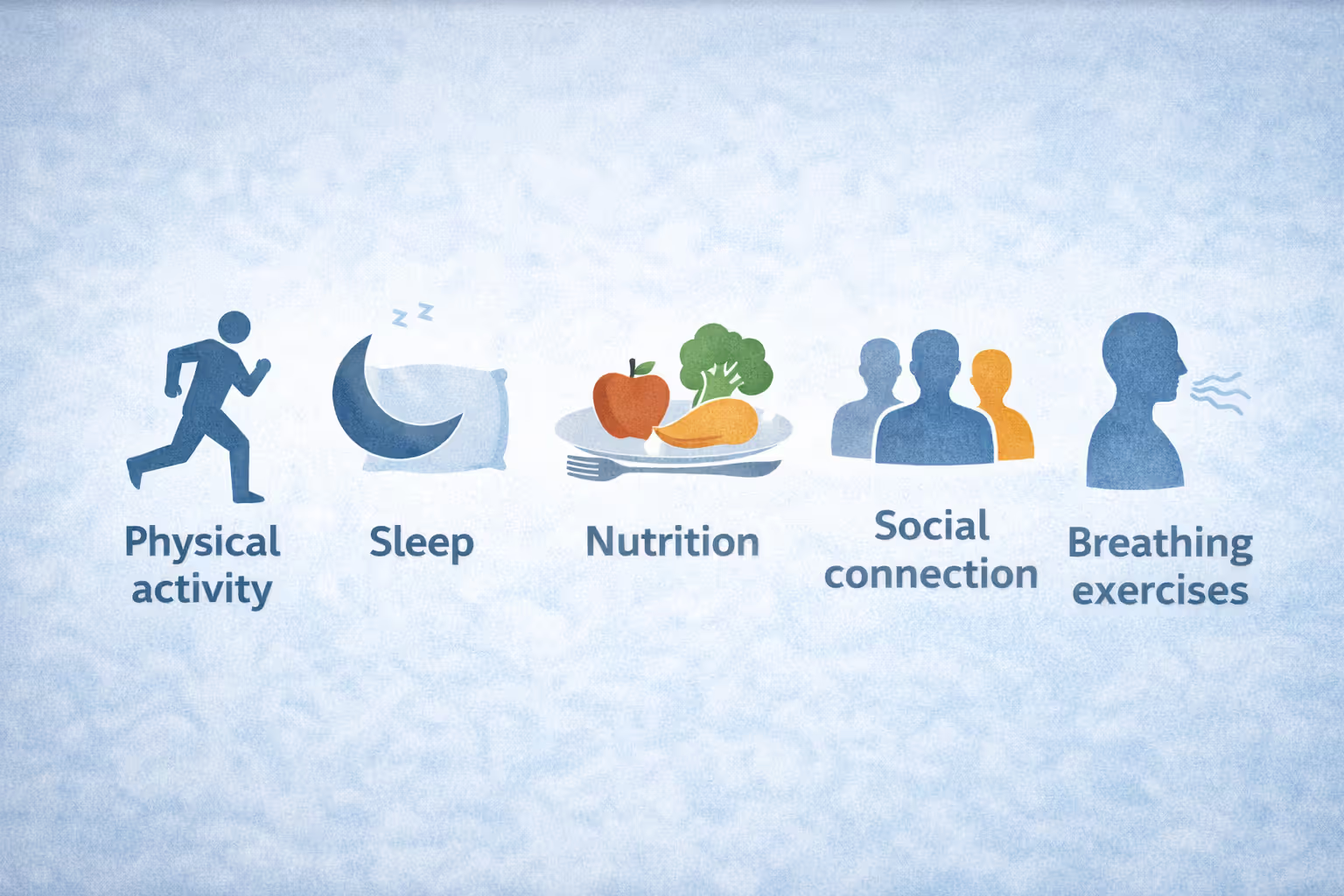
Daily Habits That Benefit Both Conditions
Author: Allison Monro;
Source: ameliaearhartbook.net
Make movement a priority. Physical exercise ranks among the most powerful stress-busters available. Target a minimum of 30 minutes of moderate activity on most days. Even brief 10-minute strolls can ease tension and lift your spirits.
Guard your sleep. Adults require 7-9 hours of restorative sleep nightly. Both stress and anxiety sabotage rest, while insufficient sleep amplifies both problems—trapping you in a downward spiral. Create a regular sleep timetable and wind-down ritual.
Fuel your body wisely. Your diet directly influences your emotional state. Emphasize whole, unprocessed foods with generous portions of produce and sufficient protein. Cut back on caffeine (known to mimic anxiety symptoms) and alcohol (which offers false comfort but ultimately worsens matters).
Maintain your social circle. Relationships serve as a robust shield against stress. Carve out time for loved ones, even when withdrawal feels tempting. Verbalizing your struggles can shift your perspective and bring comfort.
Methods for Activating Relaxation
Controlled breathing practices. Under stress or anxiety, breathing turns shallow and hurried. Consciously decelerating your breath triggers your body’s calming mechanisms. Experiment with the 4-7-8 pattern: breathe in for 4 counts, pause for 7, breathe out for 8.
Systematic muscle release. Beginning at your feet and ascending to your scalp, contract each muscle cluster for 5 seconds before letting go. This exercise builds awareness of physical tension and teaches release.
Mindfulness and meditation. Consistent meditation practice demonstrably decreases both stress and anxiety. Just 5-10 minutes daily yields measurable benefits. Applications like Calm, Headspace, or Insight Timer provide guided sessions suitable for newcomers.
Movement-based practices. Yoga and tai chi blend physical activity with intentional breathing and present-moment awareness, tackling stress through multiple pathways simultaneously.
Mental and Cognitive Strategies
Map your triggers. Maintain a record of stress and anxiety episodes. Search for recurring themes—specific circumstances, particular times, certain individuals that reliably spark symptoms.
Interrogate pessimistic thinking. Anxiety particularly flourishes on warped thought patterns. Upon noticing catastrophic assumptions (“Everything will fall apart”), probe deeper: Does evidence support this belief? What’s actually probable? How would I counsel a friend having identical thoughts?
Embrace uncertainty. Complete control over life remains impossible. Developing tolerance for the unknown—rather than wrestling against it—can substantially diminish anxiety.
Establish limits. Excessive commitments frequently fuel stress. Declining requests to safeguard your mental health is perfectly acceptable.
Knowing When Professional Support Is Necessary
Do-it-yourself approaches handle routine stress and moderate anxiety effectively, but additional assistance is sometimes warranted. Contact a healthcare professional without hesitation if:
- Symptoms extend past the two-week mark
- Stress or anxiety blocks work performance, relationships, or basic daily tasks
- You’re turning to substances or destructive behaviors for relief
- Panic attacks occur
- Physical symptoms generate concern
- Hopelessness sets in or self-harm thoughts emerge
Available Treatment Paths
Psychotherapy: Cognitive-behavioral therapy (CBT) proves highly successful for both stress reduction and anxiety disorders. It equips you to spot and restructure thinking habits that feed your symptoms.
Pharmaceutical options: Healthcare providers may prescribe antidepressants (SSRIs or SNRIs) for anxiety disorders or, for brief periods, anti-anxiety medications. Optimal outcomes typically combine medication with therapeutic work.
Holistic approaches: Certain practitioners adopt an integrative model, weaving traditional treatment together with nutritional guidance, exercise recommendations, and stress-reduction protocols.
What you might perceive as stress might be something completely different. If I have someone coming for chronic stress, I’m going to treat them differently than someone who has generalized anxiety disorder.
— Dr. Laquita Morris, MU Health Care
Frequently Asked Questions
Final Thoughts
Stress and anxiety represent widespread human experiences, yet they aren’t interchangeable. Stress reacts to life’s external demands and characteristically eases when those demands lessen. Anxiety can hover without apparent justification and may call for more focused intervention.
The crucial takeaway? Both conditions yield to proper management. Armed with appropriate tools—whether self-directed techniques, lifestyle modifications, or clinical treatment—symptom reduction and improved quality of life become achievable goals.
Uncertain whether stress, anxiety, or something else is affecting you? Consulting a healthcare professional always represents a sound starting point. Suffering silently serves no purpose when effective assistance stands ready.